Co-operative Planning for Climate Change Disasters
LAU contributes to climate resilience and disaster preparedness at local and regional levels through applied research, engineering innovation, public-sector cooperation and community engagement. Its activities address wildfire risk, drought, water scarcity and the resilience of communities exposed to environmental pressures.
Locally, LAU assesses water-harvesting needs with households in Mrouj and develops wildfire-monitoring technology supporting public emergency responders and municipalities. Regionally, the university participates in the Mediterranean NUSTALGIC consortium, connecting academic expertise with development organizations and public research institutions on drought adaptation and climate-resilient agriculture.
Local Cooperation on Climate Resilience and Disaster Preparedness
Fire-Detection Technology Supporting Civil Defense and Municipalities
October 7, 2025
LAU’s School of Engineering developed a satellite-based fire-detection platform to support wildfire monitoring and faster emergency response, delivering its beta version to the Lebanese Civil Defense.
An interdisciplinary student team developed the platform under the supervision of Associate Professors Zahi Nakad and Gilbert Accary. Combining EUMETSAT and NASA FIRMS satellite data, the system identifies fires and displays their locations and intensity through an interactive dashboard.
The platform provides instant-messaging alerts for municipalities and first responders, helping them assess emerging fires and potentially reduce response time and damage. Delivery of the beta system to Civil Defense connects LAU’s engineering expertise with public emergency-response needs.
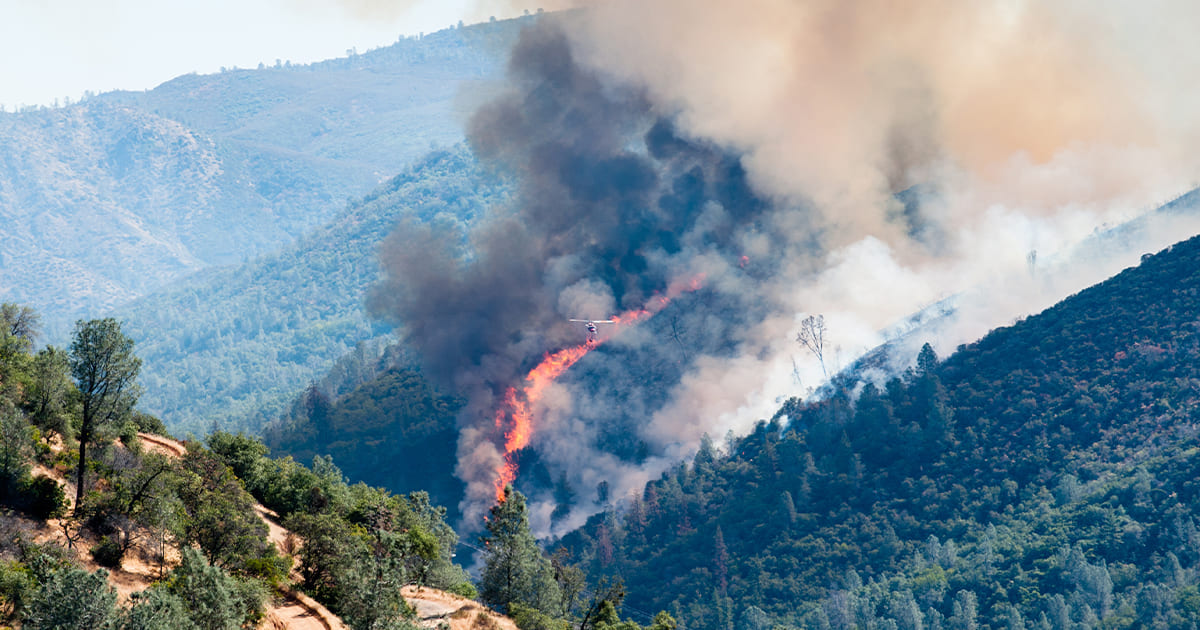 Further development priorities include improved image processing, smoke detection, reduced false positives and additional municipal dashboard functions. The initiative demonstrates LAU’s practical contribution to wildfire preparedness through cooperation with a public emergency-response institution and technology designed to support local authorities.
LAU News: A Student-Built Fire Detection System Combines Learning and Community Service
Community-Based Planning for Water Harvesting in Mrouj
November 28, 2025
Through NUSTALGIC, LAU’s Office for Sustainability works with local communities to assess water-harvesting opportunities and strengthen resilience to drought and irregular rainfall.
On November 28, 2025, the LAU team visited five households in Mrouj to assess potential beneficiaries for rooftop rainwater-harvesting systems. The proposed systems would collect seasonal rainfall and store water for use during dry months, supporting household gardens and small-scale agriculture.
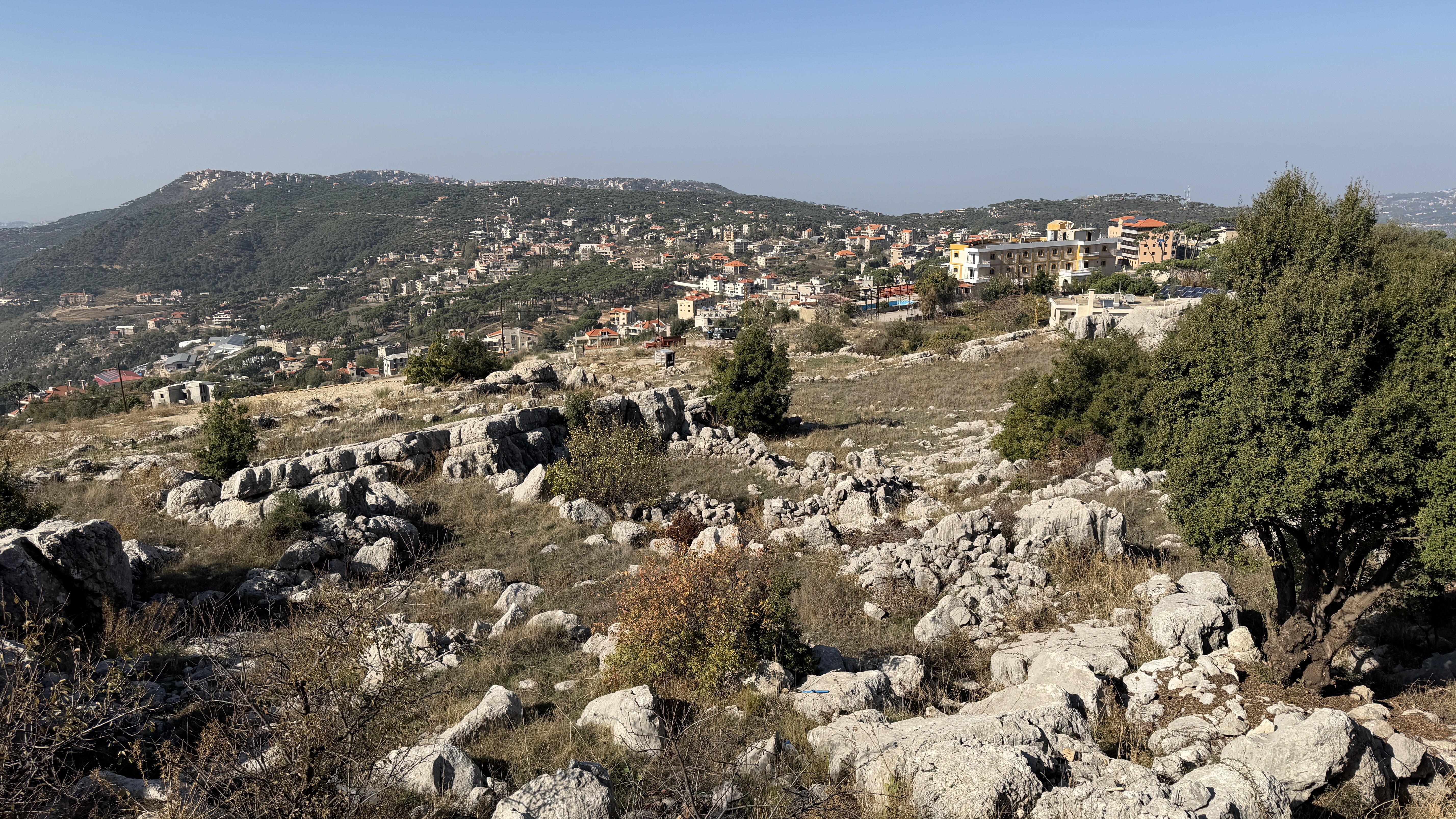 The field assessments connect technical planning with household needs and local agricultural practices. They form part of a wider approach combining water harvesting with resilient crop species to reduce vulnerability to water scarcity and support rural livelihoods.
LAU Field Visit to Mrouj — November 2025
Supporting Research: Forest Fire Detection Network
Academic Year 2024–2025
A separate School of Engineering capstone project investigated forest-fire detection through a network combining cameras, temperature and humidity sensors, gas sensors and automated image recognition.
Developed by Dany Chaddad, Fares Wehbe, Hasan Dhainy and Razan Houdaifa under the supervision of Dr. Maria Abi Saad, the project displays sensor readings and dynamically updated danger levels through a web application.
This research complements LAU’s wildfire-preparedness activities by exploring technologies that can detect fire danger and communicate monitoring information. It provides a technical foundation for further testing and potential cooperation with relevant authorities.
School of Engineering: Forest Fire Detection Network
Regional Cooperation on Drought and Agricultural Resilience
NUSTALGIC: A Mediterranean Partnership for Climate Adaptation
June 2025–May 2028
LAU participates in NUSTALGIC—Neglected and Underutilized Species for Water Harvesting and Building Climate Change Resilience—a PRIMA-funded Mediterranean project addressing agricultural vulnerability to extreme drought, water scarcity and land degradation.
Implemented at LAU through the Office for Sustainability, the project connects local adaptation activities with a regional consortium of universities, development organizations and public research institutions. Participating institutions include the Lebanese Agricultural Research Institute, a governmental research organization under Lebanon’s Ministry of Agriculture.
NUSTALGIC combines scientific innovation with traditional knowledge to develop water-harvesting approaches, improve agricultural resilience and promote neglected and underutilized crop species. Its cooperative framework includes stakeholder assessment, the co-design of technologies, demonstration activities and engagement with decision-makers.
This regional partnership provides a platform for exchanging expertise and developing locally adapted responses to shared Mediterranean climate pressures. LAU’s household assessments in Mrouj connect this regional framework with practical planning in Lebanon.
NUSTALGIC: Project Framework and Participating Institutions
National Government–University Dialogue on Water Resilience
Water Security in Lebanon: From Crisis to Opportunity
November 27, 2025
LAU convened government representatives, policymakers, engineers, faculty and students to examine climate change, water scarcity and resilient solutions for Lebanon’s water sector.
Organized by the School of Engineering as part of the Mounir Khatib Endowed Engineering Lecture Series, the event brought together Minister of Energy and Water Joe Saddi, ministry representatives, the Council for Development and Reconstruction, development partners and LAU specialists.
Discussions addressed water storage, infrastructure investment, information systems, wastewater management and water-safety planning. Participants explored how engineering expertise and institutional coordination can strengthen sustainable access to water and national resilience.
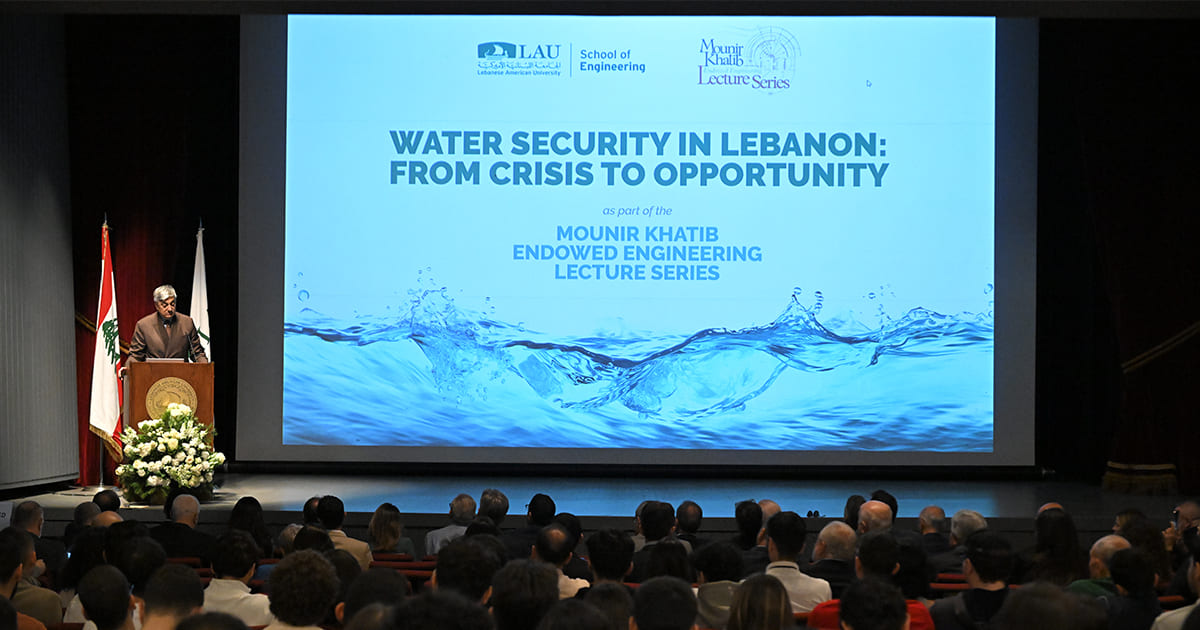 The minister expressed the intention to involve academic institutions, including LAU, in updating the national water strategy. The event provided a platform for exchanging evidence and identifying opportunities for sustained cooperation between government and academia on climate-related water challenges.
LAU News: Water Security in Lebanon — From Crisis to Opportunity
Supporting Dialogue on Community Resilience and Recovery
War’s Silent Victims: Hidden Impacts of the 2024 War on Lebanon
April 28–29, 2025
LAU’s Office for Sustainability convened a two-day conference examining the humanitarian, environmental, health and economic consequences of the 2024 war and the conditions needed for resilient recovery.
Researchers, relief agencies and policy specialists discussed displacement, disaster-preparedness gaps, environmental degradation and governance. Recommendations included environmental monitoring, renewable energy in reconstruction and community-based land-use planning.
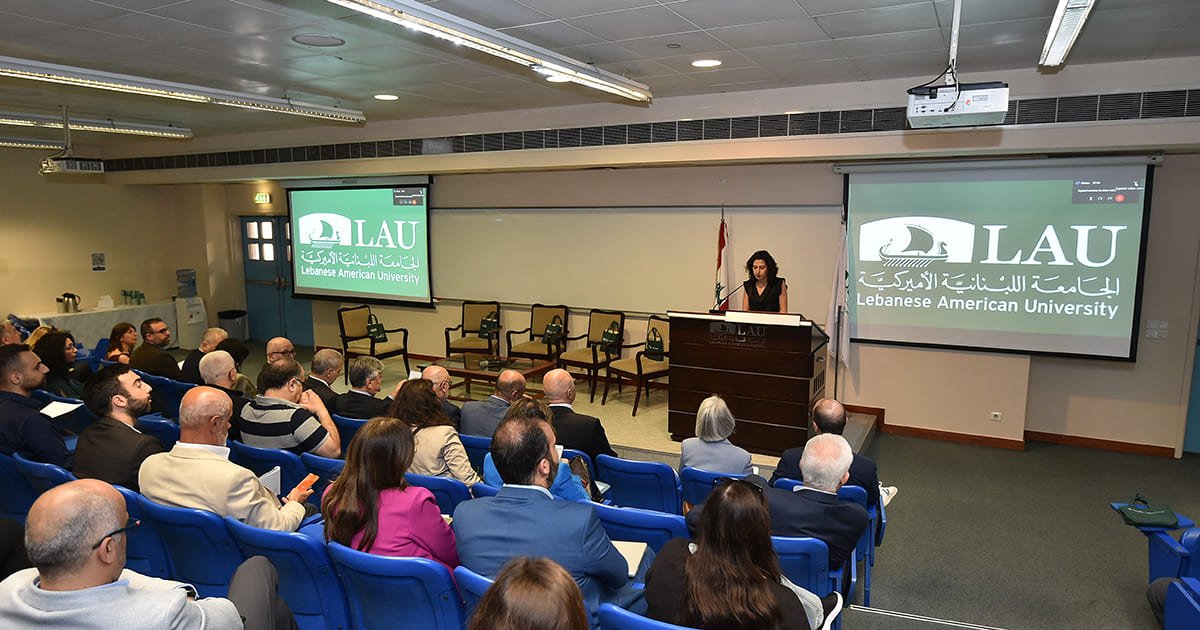 While focused on conflict-related impacts, the conference contributed to LAU’s broader resilience work by connecting recovery with environmental stewardship, institutional coordination and long-term risk reduction.
LAU News: Beyond the Rubble — Healing, Rebuilding, and Reimagining Post-War Lebanon
Institutional Expertise Supporting Cooperative Planning
LAU’s Institute for Environmental Studies and Research contributes expertise in environmental assessment, urban development and planning. The Institute for Migration Studies complements this capacity through research on displacement, including the relationships between climate pressures, resource scarcity and human mobility.
Together with government-linked wildfire monitoring and community-based drought adaptation, these areas of expertise support LAU’s contribution to local and regional resilience. They connect research and technical knowledge with public institutions, regional partners and community needs.