Sustainable Infrastructure
LAU is committed to instilling a culture of sustainability in its community and transforming its campuses into sustainable landmarks. This falls within the university’s commitment to the UN Sustainable Development Goals (SDGs), particularly SDG 7: Affordable and Clean Energy, SDG 9: Industry, Innovation and Infrastructure, SDG 11: Sustainable Cities and Communities and SDG 12: Responsible Consumption and Production.
Since 2015, the LAU Facilities Management Department has adhered to a Sustainability Plan to reduce the university’s carbon footprint, minimize its reliance on non-renewable resources, lower its operational cost and promote environmentally friendly practices within the university community. The plan is founded on six “green pillars:”
- Energy Saving and Water Conservation
- Sustainable Living
- Sustainable Design and Construction
- Environmental Protection
- Recycling and Waste Management
In line with SDG 7 and SDG 12, LAU has introduced several energy and water conservation initiatives over the years. Examples include metering and visualizing energy and water consumption to monitor and inform decisions on resource conservation, harvesting rainwater, collecting air-conditioning drain water for reuse, as well as treating wastewater and repurposing it for irrigation.
On the community level, the Facilities Management team partnered with students, faculty and staff to produce a video and promotional material for an awareness campaign, Every Drop Counts. The campaign engaged various stakeholders in the community to help disseminate practical tips on water conservation, such as taking quick showers, running washers on full load and fixing leaky taps, among others. The campus community is also encouraged to take the “Green Pledge,” which highlights several water and energy conservation practices in line with the Sustainable Living pillar.
In terms of Sustainable Design and Construction, and following SDG 9, LAU has sought out Green Building Certification for its new buildings and renovated existing ones to comply with sustainability standards. The Joseph G. Jabbra Library and the Riyad Nassar Central Administration Building on the Byblos campus were both granted a Leadership in Energy and Environmental Design (LEED) Gold certification.
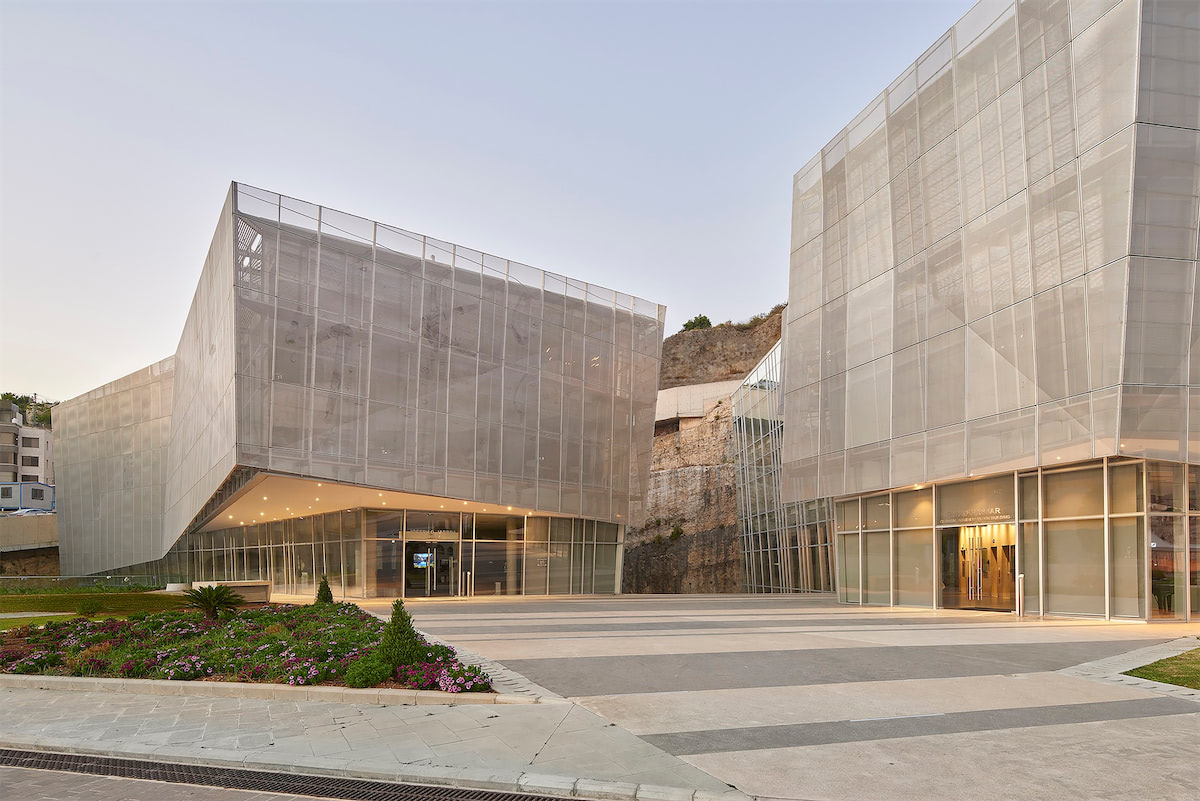
Joseph G. Jabbra Library
Also on the Byblos campus, Tohme-Rizk Hall, which was completed in 1991, was the first building in Lebanon to earn the Excellence for Design and Greater Efficiencies (EDGE) certification in 2015 pursuant to its green renovation.
The Gezairi Building on the Beirut campus also holds an EDGE certification.
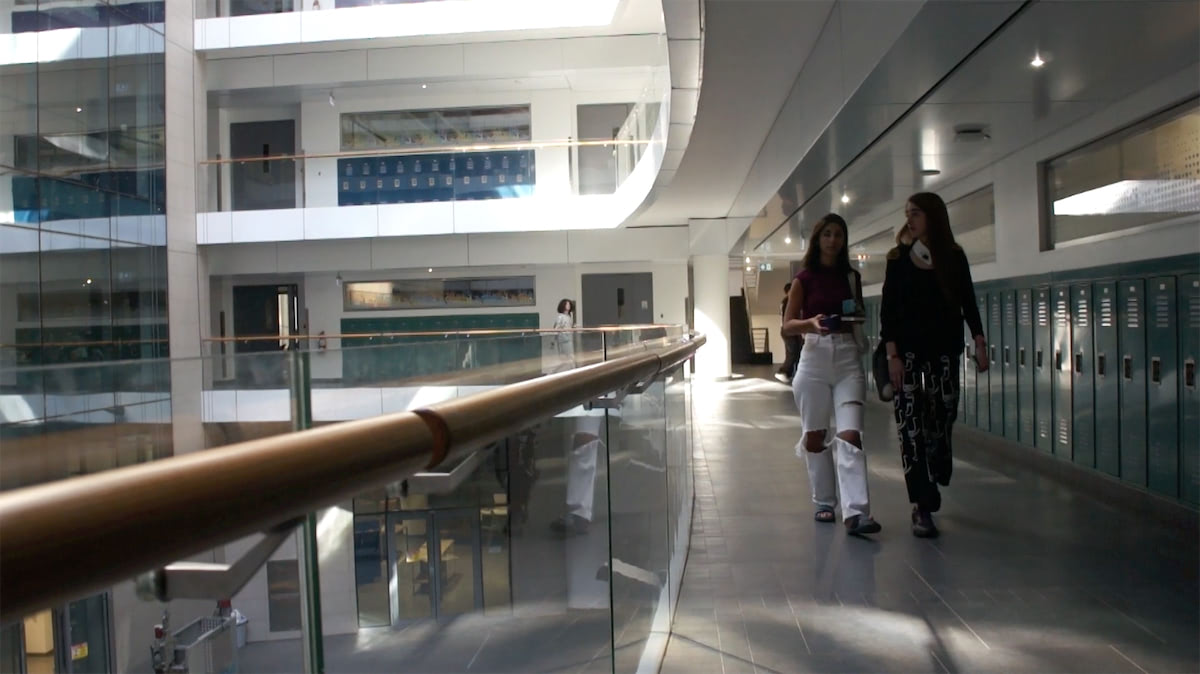
Gezairi Building
The new Pharmaceutical & Medical Research Center (PMRC) in Byblos campus is another green project under design also seeking EDGE certification.
Moreover, all renovation projects are done with sustainability in mind, turning the old spaces in high performance facilities, one project at a time.
The milestone solar PV project that Facilities Management announced last year is seeing the light and will start generating before mid 2024 around 2,300 MWHr of clean energy per year, on both Byblos and Beirut campuses. This will to reduce the university’s reliance on non-clean energy, especially in light of the continued power cuts from Lebanon’s power grid. These are equivalent to avoiding 1,800 Metric Tons of CO2e emissions per year.
Prior to gradually shifting towards renewable energy, the university opted for a systematic transition towards more energy-efficient equipment and lighting across its facilities.
In keeping with SDG 11, LAU has long fostered a culture of environmental protection and promoted sustainable practices. Among them is the observance of Earth Hour as part of the green calendar initiative, commitment to recycling in partnership with non-governmental not-for-profit organizations that employ and help people with disabilities and conducting several eco-friendly activities.
In the same spirit, and as an example of campus activism, the Association of Energy Engineers LAU Student Chapter is helping to advance sustainability through reforestation projects, hosting environmental activists as speakers and promoting energy and sustainability internships among their peers.