SDG 5: Gender Equality
SDG 5 emphasizes the critical role of gender equality in fostering inclusive and sustainable societies, highlighting the need to empower women to drive positive change within their communities and beyond. LAU has been a leader in advancing gender equality and empowering women, both within the institution and across the broader Middle Eastern region. Central to these efforts is the Arab Institute for Women (AiW), which plays a pivotal role through research, training, and advocacy to address gender disparities and promote women’s rights.
Additionally, initiatives such as the Middle East Partnership Initiative Tomorrow’s Leaders Program (MEPI-TL) and collaborations with organizations like the National Commission for Lebanese Women (NCLW) further underscore LAU’s dedication to enhancing women’s participation in various fields, including STEM and leadership roles.
Through the Office of Community Standards , and the new Gender equality plan, LAU ensures the implementation of gender-inclusive policies, the prevention of discrimination and harassment, and the creation of a supportive environment for all community members including women and transgender individuals. By hosting conferences, conducting research, and offering mentorship opportunities, the university actively contributes to fostering female leadership and enabling women to thrive academically and professionally. LAU also has a policy that protects individuals reporting discrimination from educational or employment disadvantage. The university explicitly prohibits retaliation against anyone who files a grievance or assists in the grievance process. This includes incidents of discrimination, harassment, and sexual misconduct. LAU’s Discrimination, Harassment, and Sexual Misconduct Prevention Policy ensures a zero-tolerance approach towards such issues, and any retaliation is considered a serious violation, potentially leading to disciplinary action, including termination or expulsion. Additionally, LAU provides a grievance process where unresolved issues can be addressed, with clear protections for those reporting violations.
Moreover, LAU has a strong commitment to promoting women’s applications, acceptance/entry, and participation, ensuring inclusivity and equity in higher education. As an equal-opportunity institution, the university does not discriminate based on gender and actively supports women through initiatives such as the USAID Higher Education Scholarship Program, which provides full, merit-based scholarships to academically eligible and financially disadvantaged school graduates across Lebanon. While targeting both men and women equally, nearly two-thirds of the recipients are women, emphasizing LAU’s role in empowering women and fostering gender equity. LAU systematically measures and tracks women’s application and acceptance rates. This data is regularly collected and analyzed to identify trends and inform strategies to promote gender equality in higher education.
LAU also tracks the academic performance of students, with women exhibiting higher likelihood of graduating compared to men and have higher GPAs on average compared to male students. The university provides a range of academic support and career guidance services to ensure all students succeed. This includes academic advising, personalized one-on-one sessions, and the Academic Success Center, which offers free tutoring to students facing academic challenges. These services help close any potential gender gaps by providing the necessary resources for all students, including women, to improve their academic performance. Additionally, the university offers schemes to close any gaps such as mentoring and leadership programs further empower female students to excel and pursue their academic and professional goals.
Furthermore , LAU has developed maternity and paternity policies that support women’s participation in the workforce. As part of an innovative project aimed at parental policy change, LAU has revised its own parental leave policy, extending maternity leave from 10 to 15 weeks and introducing a groundbreaking 10-day paternity leave. This policy development, a first in Lebanon, is part of LAU’s commitment to gender equality and family-friendly work practices. The university also leads a national initiative in collaboration with the National Commission for Lebanese Women (NCLW) to promote parental leave policies across both public and private sectors in Lebanon, reinforcing LAU’s role as a pioneer in advocating for women’s rights and participation.
These comprehensive efforts demonstrate LAU’s unwavering commitment to the principles of SDG 5, as the university continues to lead transformative change for gender equality and women’s empowerment in the Middle East and beyond.
The Gender Equity Plan (GEP) at the Lebanese American University (LAU) provides both an evaluation of the university’s progress on gender equity and a roadmap for future improvement. Led by the Office of Community Standards, the plan was developed by a 19-member committee representing diverse sectors of the university. Over the course of a year, the group analyzed data, conducted interviews, and reviewed institutional practices to understand how well LAU promotes gender equity in policy, governance, and culture.
Introduction:
Launched in February 2022, the GEP is the first comprehensive institutional plan of its kind in Lebanon. It builds on earlier groundwork by Dr. Lina Abirafeh and the Arab Institute for Women (AiW). The report emphasizes that gender equity—which accounts for differing needs and barriers rather than simply equal treatment—contributes to better institutional performance, innovation, and social wellbeing.
The plan follows a four-step framework:
- Analysis: Conducting gender audits and reviewing data for inequities.
- Planning: Setting clear goals, actions, and resource allocations.
- Implementation: Carrying out initiatives to promote equity.
- Monitoring: Measuring progress through key indicators and feedback loops.
This first report focuses mainly on analysis and partially on planning, establishing the foundation for future implementation.
Methodology:
The committee adopted a mixed-methods approach, combining:
- Quantitative analysis of demographic and employment data to assess representation, promotions, and pay equity;
- Qualitative inputs from more than 30 stakeholder interviews, focus groups, and LAU’s first campus climate survey;
- Policy reviews to identify gaps between institutional goals and actual practices.
This triangulated method allowed the committee to understand both the numbers and lived experiences behind gender dynamics at LAU.
Decision-Making:
Findings highlight that while women are active and visible across the university, their representation decreases at higher levels of leadership and governance.
Challenges include limited transparency in appointment processes, informal networks that shape advancement, and insufficient mentorship opportunities for women.
Recommendations include:
- Ensuring gender balance in key committees and leadership bodies;
- Standardizing and publicizing criteria for appointments and promotions;
- Introducing structured mentorship and leadership development programs;
- Collecting and publishing annual data on gender representation at decision-making levels.
Practices:
The report assesses three main areas:
- Policy Practices: LAU’s policies are progressive but unevenly implemented. Regular policy audits and staff training are recommended to ensure consistency.
- Teaching Practices: Faculty are encouraged to integrate gender perspectives into curricula and classroom discussions. The report calls for training on inclusive pedagogy and equitable assessment.
- Research Practices: Gender disparities persist in authorship and funding. The plan urges gender-sensitive research design, equitable access to resources, and formal recognition for women researchers.
It also stresses the importance of civic engagement and community outreach, positioning LAU as a national example of gender equity leadership.
Conclusion:
The GEP sets the groundwork for a sustainable transformation in how LAU defines and practices equity. It reframes gender equity as an essential component of academic excellence, leadership integrity, and institutional resilience.
The next phase will require strong leadership commitment, dedicated resources, and ongoing evaluation to ensure that equity is not only a principle but a lived reality across the university.
A Seat at the Table: Women Participation in Decision Making in the Arab World
LAU-MEPI TL Symposium probes female involvement in political and public life, focusing on Tunisia and Lebanon.
Prompted by the recent appointment in Tunisia of the first female prime minister in the Arab world, the US-Middle East Partnership Initiative Tomorrow’s Leaders program (MEPI TL) at LAU hosted a panel discussion on Women’s Participation in Decision-Making in the Arab World, held in collaboration with the Embassy of Tunisia in Lebanon.The discussion focused on the opportunities and challenges shaping women’s participation in decision-making positions in the Arab world, highlighting good practices and measuring progress in the region related to women’s equality and how that can help create more stable governments.
The idea for the panel came from the Tunisian MEPI TL scholars at LAU, for whom the appointment of Prime Minister Najla Bouden Romdhane in October 2021 was momentous. Their mentors at the university – spearheaded by LAU-MEPI TL Executive Director Dina Abdul Rahman – helped them prepare for and organize the event.
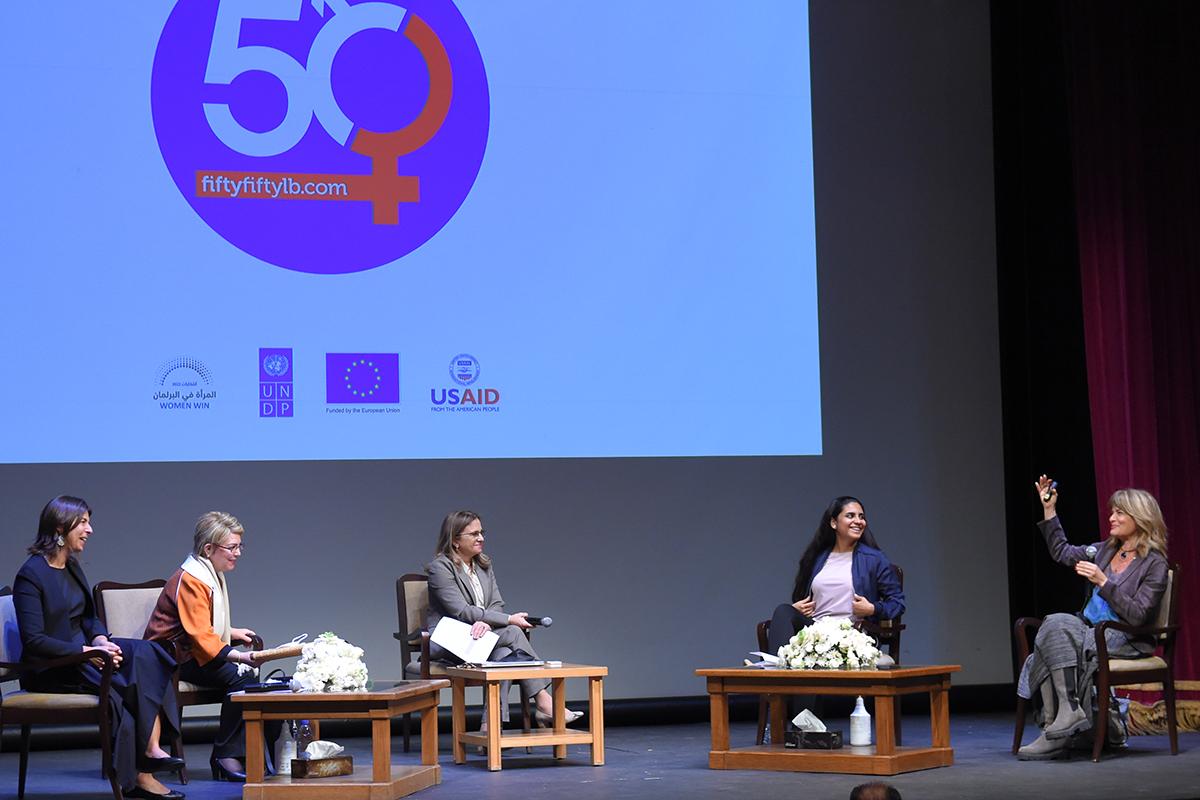
The symposium at Irwin Hall was attended by the Ambassador of Tunisia in Lebanon Bouraoui Limam, the Ambassador of the US to Lebanon Dorothy C. Shea, LAU President Michel E. Mawad, Vice President for Student Development and Enrollment Management Elise Salem, representatives from both embassies, and LAU faculty, staff, and students. It was also livestreamed on social media platforms.
Background
Uprisings across the Arab world in the name of democracy, equal rights, and, for women in particular, inclusion in the decision-making process have yielded uneven outcomes. In Tunisia, Iraq, and Libya, women have won seats in parliament and government, but progress is not uniform in the region, least of all in Lebanon, where the current parliament refuses to institute a female quota for the upcoming parliamentary elections.
But what has been accomplished so far is only the beginning of an uphill battle. “In the case of Tunisia, the 2010 revolution has been characterized both by successes and challenges,” said Ambassador Limam.
“Tunisia is currently cultivating a rather extraordinary capacity to have a public debate on the different ways to evolve the society on values of democracy, equality, and justice,” he said, drawing parallels with Lebanon in terms of capable human talent.
The revolution’s achievements, he added, are owed to “a dynamic civil society and brave women’s rights associations,” which have paved the way for the appointment of Bouden Romdhane as the first female Arab PM and nine women in the new cabinet.
In a recorded message played at the event, Bouden Romdhane spoke about the current economic, health, and societal challenges facing all leaders in positions of power, and how these challenges become more pronounced for female leaders.
“The struggle for women to benefit from the same opportunities as men and to access decision-making positions is a long-term fight and we have only just begun,” she said, adding: “But it is thanks to the participation of all – men and women – and with a deeper thinking of educational, cultural, and social precepts that we will manage to create long-lasting change.”
Echoing these thoughts, Ambassador Shea affirmed the US Government’s commitment to “create and help develop a cadre of leaders who will use their education, concrete experience, and skills to enact positive change in their respective countries and communities” – the ethos upon which the MEPI TL program was founded.
To date, the US State Department has invested through the Middle East Partnership Initiative (MEPI) over $50 million in the TL program and through the US Agency for International Development (USAID) another $70 million in the Higher Education Scholarship program (USP Program). Ambassador Shea said, “We are a proud, committed partner to LAU, to MEPI, and to everyone who is working to make Lebanon a stable, secure, sovereign, and prosperous country.”
Dr. Mawad noted how, only a short while ago, having women in decision-making positions had sounded like a far-fetched dream. “Not anymore, however, thanks to the likes of Najla Bouden, who sure-footedly made her way into a man’s world and broke a barrier that has for long deprived society of all of its grey matter,” he said, affirming: “Progress toward gender equality is irreversible.”
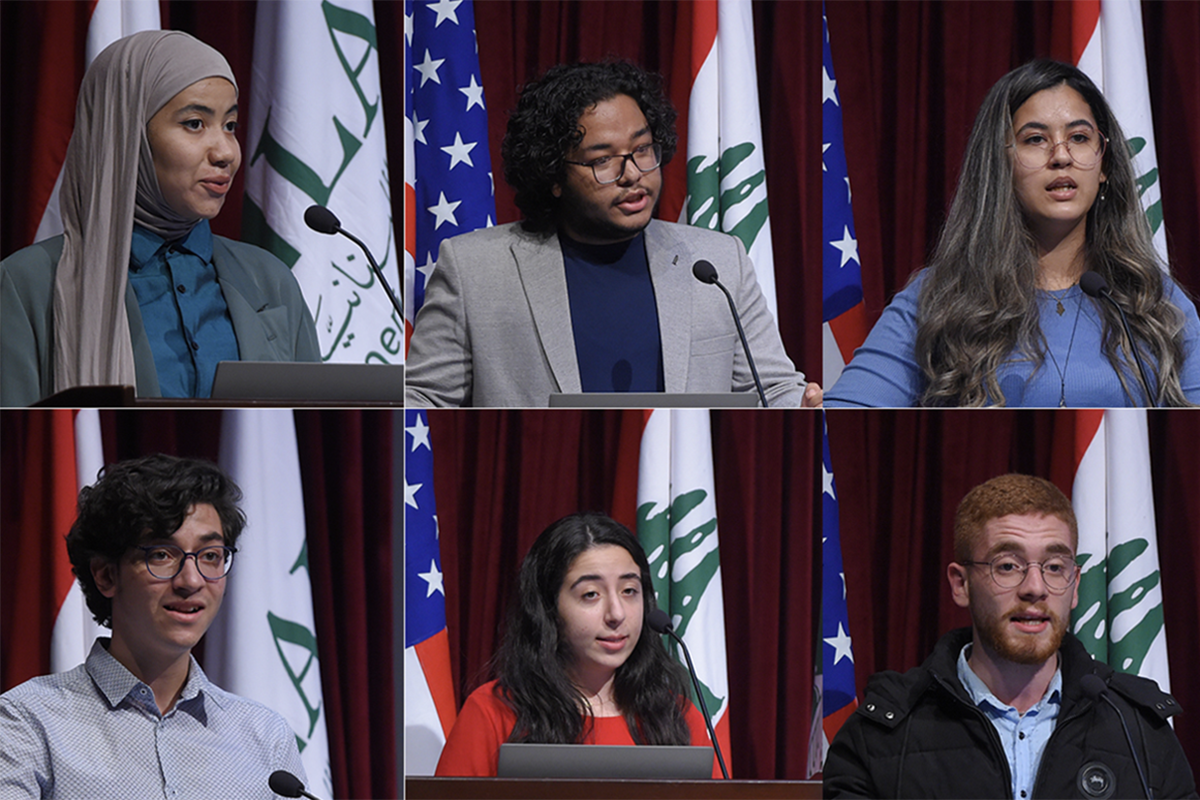
Before opening the panel discussion, Algerian LAU-MEPI TL Graduate (TLG) student Safa Difi explained that she, along with 17 of her MEPI TL colleagues, had conducted research on a volunteer basis to provide background information on the representation of women across 22 Arab countries. The results of their research were displayed in the form of a poster presentation at Irwin Hall for attendees to view.
As examples of major milestones achieved, their findings showed that in Qatar, 51 percent of women were employed, while the percentage in Kuwait was quite similar with a total of 53 percent of women in the workforce. Mauritanian law allowed for a 20 percent quota for women in municipal councils and the November 2006 elections resulted in more than 20 percent representation of women. While women’s participation in the Egyptian parliament increased from 2 percent in 2012 to 15 percent in 2016 up to 25 percent in 2021, the percentage of female ministers in Lebanon reached 31.6 percent.
The following students presented an overview of the research findings: MEPI TL Undergraduate (TLU) scholars Hiba Kammoun from Tunisia, Mohamad Hedi Jaza from Tunisia, Omar Eladarousy from Egypt.
The Panel Discussion
LAU Visiting Assistant Professor and LAU-MEPI TLS Academic Director Dr. Lina Kreidie opened the panel with an overview of the situation in Arab countries. Dr. Kreidie said, “Since 2010, the Arab people have been struggling to build peaceful and democratic nations and women have been at the forefront of the revolutions, trying to pave their paths from the bottom up to the top political decision-making ranks.”
The obstacles they have had to face are many and on different levels. Speaking about gender justice and women’s political participation, Regional Consultant on Gender Equality at the United Nations Economic and Social Commission for Western Asia (ESCWA) Menaal Munshey defined the main barriers keeping women from public life in the Arab world as institutional, social, and cultural.
“Especially in light of the pandemic, we know that women suffered many setbacks, especially those working in the care economy. In order to build back better, we need more women at the center of decision-making and national response plans,” she said.
The Tunisia Case Study
International Expert in Gender and Sustainable Development Policies, Monia Braham, presented the Tunisia case study, citing data on women’s participation in politics and governmental positions. The numbers were encouraging and exceeded regional (and even global) averages: With women constituting 26.3 percent of parliament in 2019, Tunisia placed third out of 15 countries from the MENA region.
She explained that the transition from the quota system to the gender parity principle was promising for Tunisian women, as it allowed them to be largely involved in the decision-making process.
However, some gaps have yet to be addressed, she added, such as exerting more efforts to combat gender-based violence, advocating for gender justice policies, and ensuring women’s engagement and voting rights, especially in rural areas.
The Lebanon Case Study
Co-founder and President of Fifty Fifty Joelle Abou Farhat expounded on the urgent need for a women’s quota to ensure Lebanese women’s representation in public office.
The numbers she presented were bleak: In 2021, the World Economic Forum ranked Lebanon at 183 out of 187 countries in terms of women’s participation in parliament. On top of this, and ever since Lebanon became a sovereign state in 1943, only nine out of 88 governments included women. Out of 11 elected parliaments since 1963, only eight have included women, with the highest number being six representatives out of 128.
Abou Farhat drew a logical conclusion: “Without a quota system, women will not reach the parliament.” The draft law proposed by Fifty Fifty suggests instating a 26-seat quota for women in the parliament while enforcing a 40 percent gender quota on candidacy on electoral lists, but it has yet to be reviewed by parliament.
The involvement of the youth in bringing about change is critical, said the Director of the Arab Institute for Women (AiW), Myriam Sfeir. She spoke about the October 17 Uprising and its impact in shifting the dynamic between various women’s rights groups, manifest in how they came together, months later, in the aftermath of the Port of Beirut Explosion, to draft a unified charter of demands.
“The personal is political, and for democratic systems to operate efficiently and professionally, the equal representation and participation of women in politics and public life is a non-negotiable imperative,” said Sfeir. “The argument for women’s political participation is irrefutable – democracy cannot exist nor persist if half of its population is not wholly and equally engaged in decision making – nothing about us, without us,” she concluded.
|
|
|
LAU Leads the Way with New Family Leave Policy
The university seals a project aimed at parental policy change on the national level by revising its own.
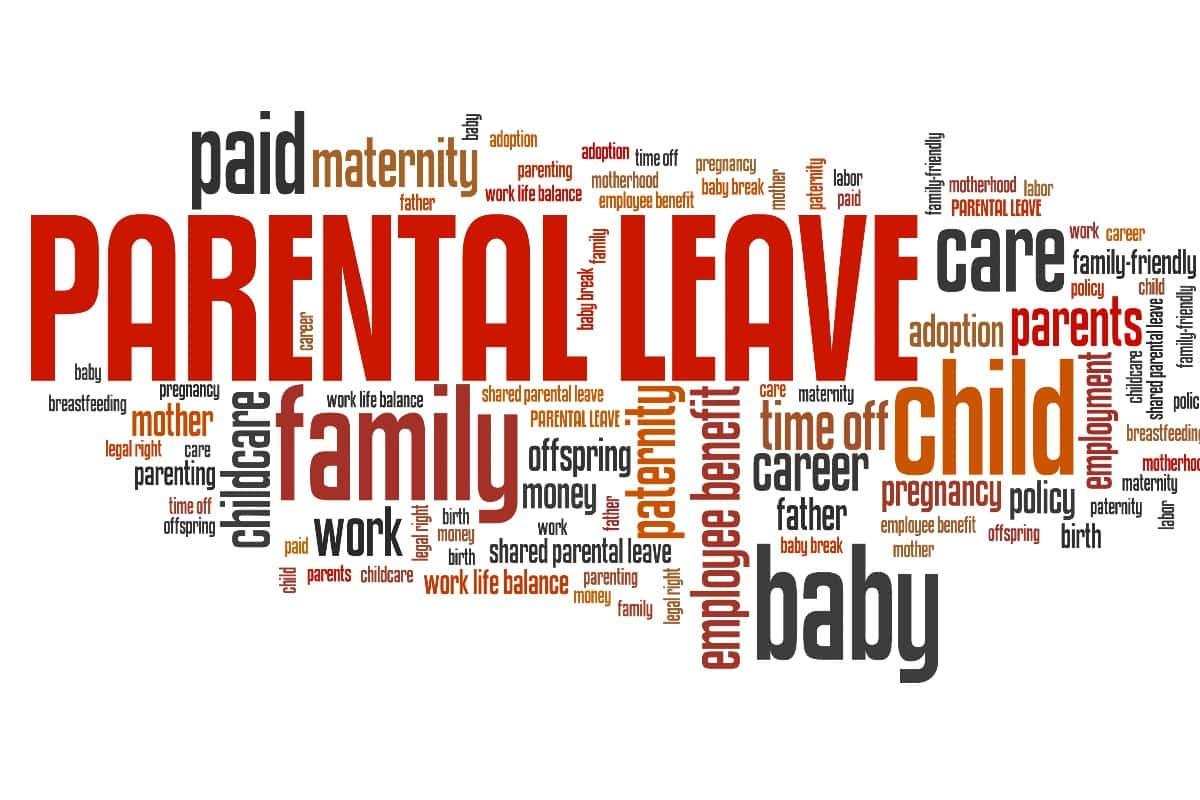
The project, which also strives to promote access to healthcare for disadvantaged women, serves as an entry point to gender equality.
On 16 December, LAU hosted the closing ceremony of an innovative project funded by the US-Middle East Partnership Initiative (US-MEPI) that addresses parental leave policies within the private and public sectors in Lebanon.
Led by the Arab Institute for Women (AiW), the project titled Equality for Everyone: Gender Reform from Grassroots to Government involved drafting a parental leave law in close collaboration with the National Commission for Lebanese Women (NCLW) that was endorsed by several MPs and was already proposed in the Lebanese parliament.
A highlight of the virtual event was an announcement by LAU President Michel E. Mawad that the university is developing a new family leave policy extending the duration of the maternity leave from 10 to 15 weeks and granting, for the first time in the history of Lebanon, a 10-day paternity leave. The draft of the policy is being finalized and will be submitted to the Board of Trustees in March 2022.
“We are proud to be the first institution in the country to work on such a policy and to entice our government to follow suit and approve the law advocated by the National Commission for Lebanese Women,” Dr. Mawad said. “In so doing, LAU is simply being true to its mission and culture and faithful to the legacy of Sarah Huntington Smith and the fulfillment of her vision. We so much look forward to seeing the whole country and region follow suit.”
US Ambassador to Lebanon Dorothy C. Shea, who was at the event, commended “LAU for adopting reforms like the enhanced parental leave program and the creation of family-friendly facilities as it strives to be the first Lebanese institution to implement this important policy.”
Through this project, AiW worked closely with private companies, members of the Lebanese League for Women in Business and NGOs who were willing to consider reviewing their parental leave policies and childcare benefits despite the current economic crisis. It also conducted a national advocacy campaign online via social media platforms, and offline via a TV commercial aired on three national TV stations, reaching close to 2.6 million people in Lebanon.
NCLW President Claudine Aoun Roukoz stressed the importance of increasing women’s participation in the job market with the worsening economic crisis, to stop more families from falling into the cycle of poverty.
To that end, she expressed her hope that parliament would pass the legal amendment that, in addition to recognizing parental leave, “would extend maternity leave to 15 weeks, allow an hour during work hours to pump milk to the infant, provide incubators for the young children of male and female workers, and prohibit discrimination in wages and other benefits.”
The project, which also strives to promote access to healthcare for disadvantaged women and serves as an “entry point to gender equality,” said AiW Director Myriam Sfeir, “proved to be a successful partnership between all actors involved.”
Dr. Jennifer Skulte-Ouaiss, the director of Office of Community Standards at LAU and project manager presented LAU as a pilot for parental leave reform. Findings from research conducted by LAU faculty members within the context of the project were also revealed during the closing ceremony.
Dr. Ali Fakih, associate professor and associate chair of the Department of Economics at the Adnan Kassar School of Business produced a white paper and a research paper on family-friendly work practices in Lebanon; Assistant Professors of Clinical Psychology, Dr. Pia Tohme and Dr. Rudy Abi Habib investigated the “Predictors of Work Productivity and Maternal Competence after Having a Baby;” and former researcher at the AiW, Jana Mourad, co-wrote a paper with Dr. Skulte-Ouaiss on “Women and Work During the COVID-19 and Other Crises.”
“Implementing this project despite all the challenges brought about by the compounded crisis Lebanon is passing through and in light of the global pandemic that warrants to be considered a generation-defining event whose impact has been far detrimental when it comes to gender, was challenging,” concluded Sfeir. “But we did it and managed to push for amendments on the level of our own institution so as not to talk the talk without walking the walk.”
Maha Shaheen’s Journey: Empowering Women in Leadership with EWAP
Selected among talented Egyptian women living abroad, Maha underwent holistic training to enhance her skills and industry knowledge. Through the program’s online format, she effectively managed her commitments while immersing herself in a rich learning environment. Networking with like-minded Egyptian women abroad provided her with invaluable connections and mentorship opportunities.
The impact of the EWAP fellowship was substantial. Maha gained enhanced knowledge and a diverse skillset, increasing her employability and expanding her professional network. Beyond personal growth, the program contributes to advancing Egyptian women in various fields and identifies exceptional leaders for key positions within Egypt. The collaborative efforts of the National Training Academy, Ministry of Planning and Economic Development, and Ministry of State for Emigration and Egyptians Affairs Abroad ensure the successful implementation of the program.
Aligned with the MEPI strategic framework, EWAP promotes gender equality and women’s empowerment in the Middle East and North Africa region. By fostering diverse and inclusive STEM workforces, the program fuels innovation and drives economic growth. It also strengthens partnerships between government, academia, and civil society, nurturing human capital and creating lasting impacts.
Maha’s journey reached significant milestones. She successfully defended her graduation project, showcasing her academic excellence. Furthermore, she was selected for an exclusive live-streaming session organized by the National Training Academy, highlighting her achievements and inspiring others. Additionally, she had the privilege of participating in a summer field trip, exploring Egypt’s new capital and witnessing its remarkable landmarks and mega-economic projects.
Maha’s accomplishments serve as an inspiration for aspiring leaders, emphasizing the significance of equal opportunities for women in all fields. With her newfound knowledge, skills, and network, Maha is ready to create a positive impact in her chosen field and contribute to the advancement of women’s empowerment in Egypt and beyond.
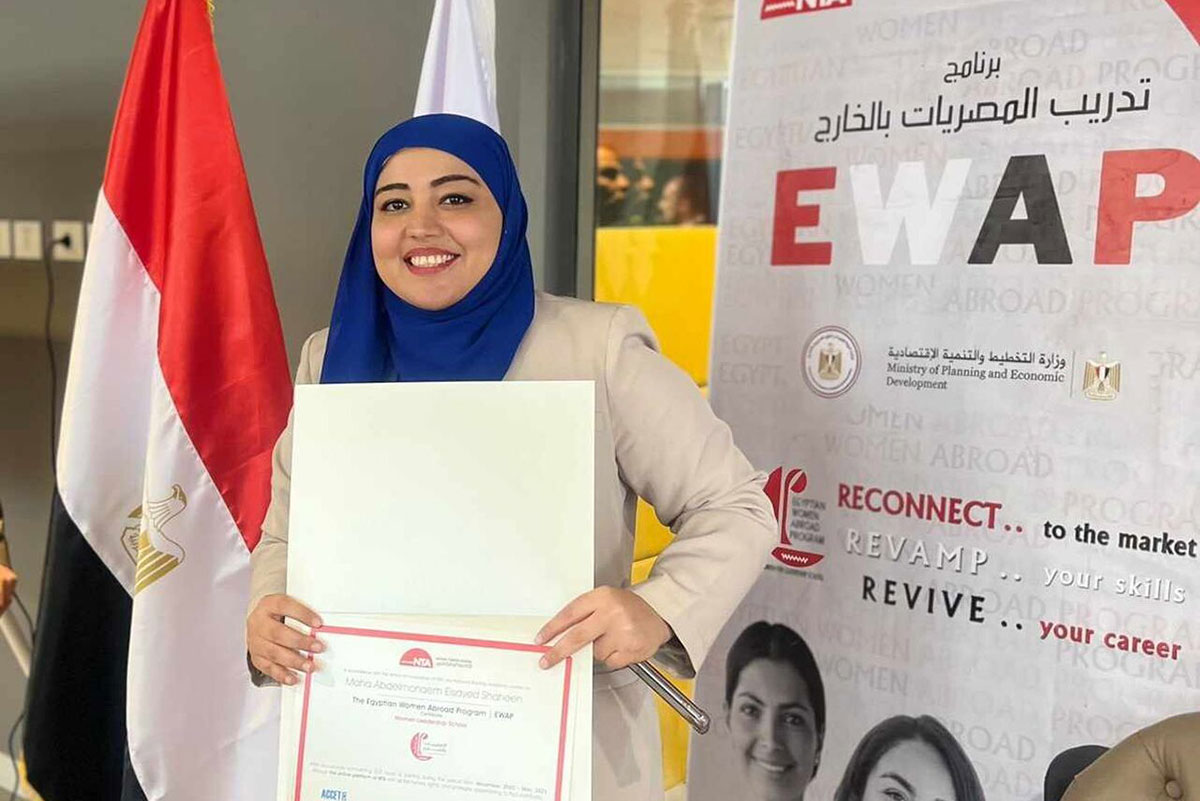
Maha Shaheen, a MEPI-TLG scholar at LAU, embarked on a life-changing journey with the Egyptian Women Abroad Program (EWAP). This prestigious presidential fellowship, initiated by the Egyptian Ministry of Planning and Economic Development, aims to address the underrepresentation of Egyptian women in STEM fields and cultivate their leadership potential.
Advancing the United Nations Sustainable Development Goals: Tomorrow’s Leaders Scholars Present their Papers in Egypt
At the Third Annual Middle East Partnership Initiative-Tomorrow’s Leaders Conference, the scholars tackle migration, gender, health sciences, education, economics, political sciences and international affairs, and contribute to the conversations around the SDGs.
From emigration and food insecurity to overeducation and the impact of Lebanon’s fuel price hikes, timely topics were the focus of wide-ranging and enriching presentations by LAU students who took part in the Third Annual Conference on the United Nations Sustainable Development Goals (SDGs), organized by the Middle East Partnership Initiative Tomorrow’s Leaders Program (MEPI-TL).
The three-day symposium included 19 panel discussions, four debates and 80+ research paper presentations, and was hosted by the American University in Cairo (AUC) this summer.
The conference focused on climate change, diversity, equity and inclusion, bringing together 80 MEPI-TL presenters from the American University in Beirut (AUB), LAU, and AUC to discuss pressing global challenges.
It is noteworthy that the LAU scholars contributed to the conference with a total of 33 graduate scholars, three Gender Scholars, and two undergraduates, who delivered a total of 38 presentations. Additionally, seven faculty members took part in panel discussions.
Students brought their positive experience back to campus, reflecting on how they had connected with like-minded individuals, gained insights and networked with professionals from various fields.
“The conference was filled with enriching knowledge sharing, engaging presentations and discussions. I had the opportunity to network with and learn from other researchers,” said TLGer Zeina Lizzaik, who graduated this year with a master’s degree in Applied Economics.
Faculty members expressed their admiration for the students’ presentations and highlighted the engaging format of the conference, which included debates and interactive discussions.
“It was fascinating seeing the efforts of our students materialize and witnessing the level of impact their research has on providing valuable context and content for solutions to pressing issues facing the world,” said LAU MEPI-TL Executive Director Dina Abdul Rahman.
All in all, the conference was a resounding success for LAU Tomorrow’s Leaders graduate scholars. It fostered collaboration, knowledge exchange, and innovation among attendees. The students benefited from the conference to learn, connect, and make a positive impact, setting the stage for future endeavors in sustainable development.
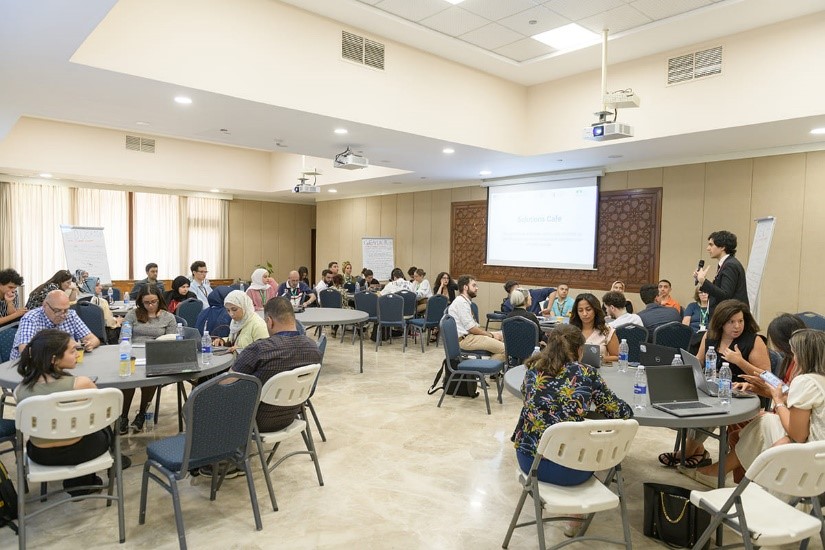 |
Faculty members expressed their admiration for the students’ presentations and highlighted the engaging format of the conference, which included debates and interactive discussions. |
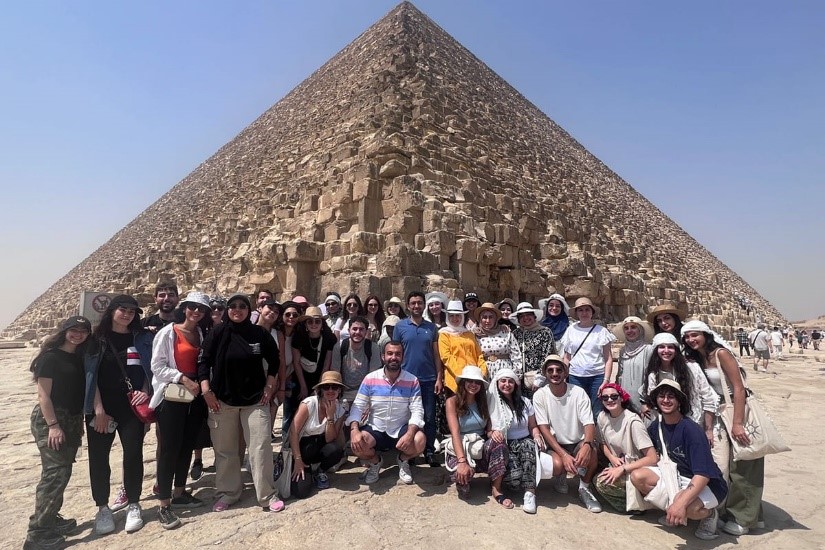 |
Students brought their positive experience back to campus, reflecting on how they had connected with like-minded individuals, gained insights and networked with professionals from various fields. |
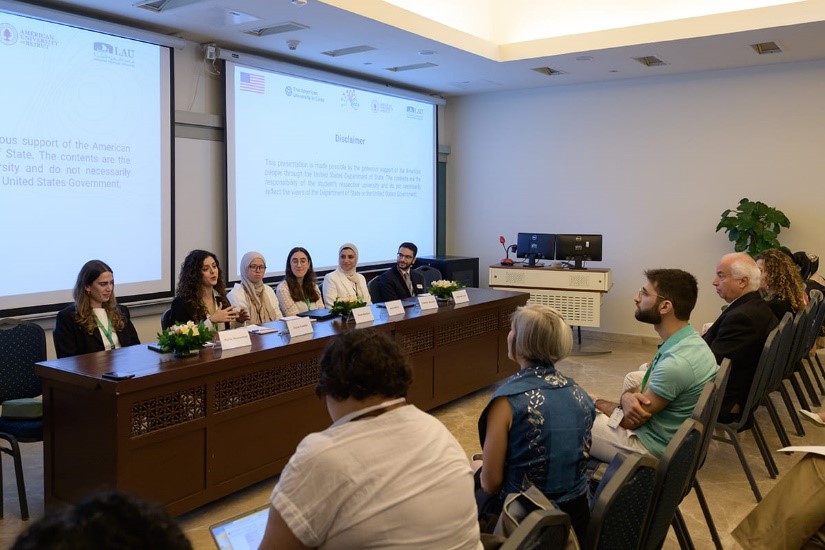 |
From LAU, a total of 33 graduate scholars, three Gender Scholars, and two undergraduates delivered a total of 38 presentations, while seven faculty members took part in panel discussions. |