SDG 2: Zero Hunger
LAU actively contributes to SDG 2: Zero Hunger through various initiatives.
LAU actively promotes sustainable food choices on campus through selected outlets that emphasize environmentally friendly and locally sourced options. Through its annual Nutrition and Food Science Summer Camp, LAU provides high school students with immersive learning, workshops, and lectures on the roles of nutrients, food processing, and the UN Sustainable Development Goals (SDGs). The university supports healthy and affordable food access by fostering collaborations with initiatives such as the Food Heritage Foundation, ensuring options that cater to diverse dietary needs. Addressing student food insecurity is a priority, as evidenced by programs like the Nutrition and Food Science Club’s fundraising efforts, which provide food boxes to those in need in collaboration with the Lebanese Food Bank. This outreach was expanded through student-led in-kind food donation drives for displaced communities, with parcels distributed in collaboration with the Lebanese Food Bank and the Lebanese Red Cross. To combat hunger among students and staff, targeted interventions ensure access to essential food supplies during challenging times. LAU also advances food security and sustainable agriculture by offering knowledge, skills, and training to students and local farmers through partnerships like USAID’s Farmer-to-Farmer program, enhancing sustainable practices and career readiness. A major academic collaboration was launched to support women-led agri-food cooperatives in Baalbeck with training on quality management systems, marketing, and innovation. The practical impact of the program was further highlighted when LAU Nutrition students secured first and third prizes in a national Food Security Competition for their proposals on valorizing apple by-products to reduce food waste and for a smartphone application to manage food supplies (“Zero Waste Bite”). Additionally, LAU’s cafeterias on both campuses are operated by a professional caterer, carefully selected through predefined technical and financial criteria. One key requirement is holding an ISO 22000 certification or an equivalent food safety standard, ensuring the delivery of high-quality, safe meals to the university community.
The cafeteria offers a diverse menu that caters to different tastes and dietary needs, serving breakfast, lunch, and dinner on weekdays from 7:00 AM to 7:00 PM, with flexible hours on weekends when needed. Options include daily meals, combo offers, hot and cold sandwiches, salads, snacks, desserts, and a variety of beverages such as coffee-based drinks, tea, water, soft drinks, and juices.
To promote affordability and inclusivity, each food category features one or two items offered at a reduced price, making it easier for the wider community to enjoy healthy and affordable meals on campus.
A Frontline Like No Other: Students Take Action
Coming together despite immense logistical challenges, LAU students bring hope to Lebanon’s displaced communities.
By Raissa BatakjiNovember 4, 2024
As the first few weeks of the war on Lebanon unfolded, LAU faculty, physicians, nurses, pharmacists, staff and alumni put their skills, expertise and knowledge to the service of those impacted. Students, too, swiftly built up their own arsenal to revive hope through creativity and resourcefulness.
From their home base of the LAU Byblos campus, students organized blood donation campaigns, entertainment and therapy sessions at schools sheltering the displaced, and in-kind donation drives for food, clothing, medications and hygienic necessities.
The student initiatives, said Principal Student Life Project Manager on the Byblos campus Alan Kairouz, “created social bonding, while simultaneously lifting the spirits of those families and our students.”
The ongoing initiatives felt wholesome for Ali Majed, a medical student. “Thanks to shared efforts and the contribution of donors, we were able to secure critical drugs for a patient suffering from prostate cancer, who is currently sheltering at a public school in Byblos,” he said, adding that these acts of kindness to the displaced extend beyond material value to “restore a sense of dignity and to let them know that we are sharing their struggles.”
Some of the activities included organizing weekly sports tournaments, musical performances, board games and therapy sessions with LAU Clinical Assistant Professor of Psychiatry Wael Salame. These interventions offered a mental and physical respite for the children and adults alike.
“Seeing the smiles on the kids’ faces and hearing their laughter gave us all a renewed sense of purpose,” said Georgio Nassar, a computer engineering student and president of the Developer Student Club. “This was a powerful reminder of how an act of kindness, no matter how small, can go a long way.”
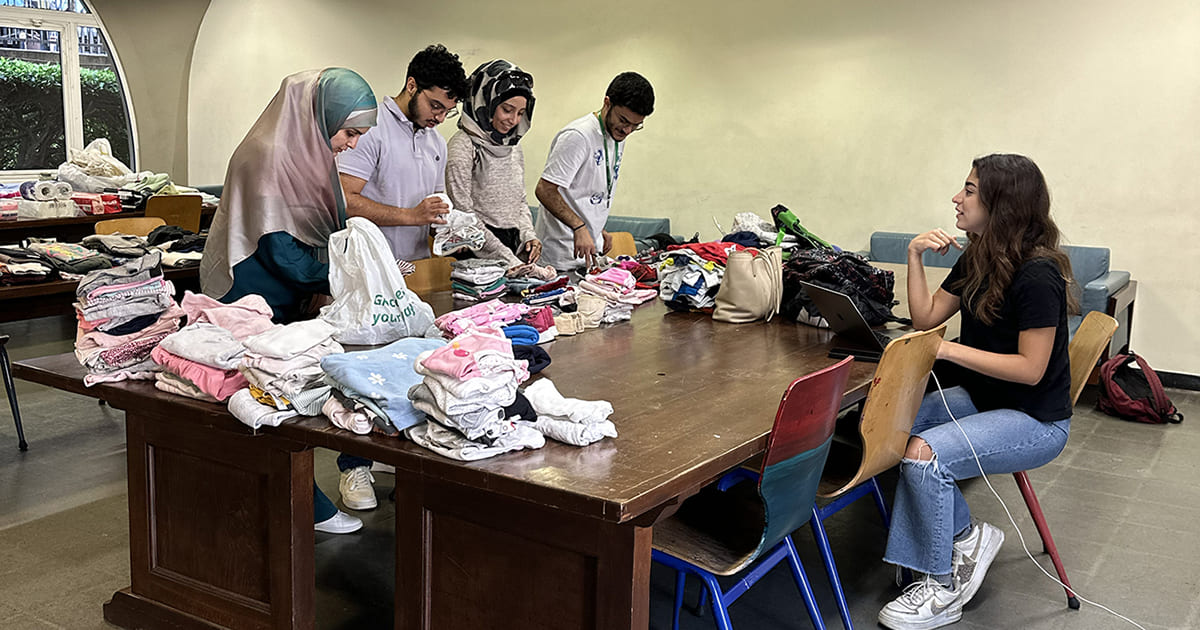
Believing deeply in the LAU mission to empower the students, remarked Assistant Student Life Project Manager Joy El Helou, “not only inspires them but also impacts the children and families we serve, and proves that unity is our greatest strength.”
In Beirut, where the security and commuting concerns are considerably higher, LAU Student Life Project Manager Lamis El Droubi explained that the university decided to restrict the students’ activities within campus.
Dozens of students, through their clubs or acting on personal initiative, jumped at the opportunity of serving others from within LAU and its welcoming environment. They spread across campus, designating the Upper Gate area as a collection point, and splitting up into teams that were charged with sorting first-aid supplies, medications, food items, daily essentials and clothes. The parcels were then given to the Lebanese Red Cross, the Lebanese Food Bank and the Beirut Marathon Association for distribution.
“Living in a world where it is easy to feel disheartened, community service serves as a reminder that together, we can create ripples of positive change, even in the darkest of times, since resistance is not only on the frontlines of battle, but also in the simple acts that defy violence and hatred,” noted graduate student Anhal Kozhaya.
The friends that were made along the way, and the enriching opportunities to meet classmates from other majors, were a key highlight for Sama Al Khal, a communications student. “I am a very sociable person, and this experience allowed me to meet people I never would have talked to if it were not for this student initiative,” she said, adding: “I have genuinely gained amazing friendships.”
The tipping point for economics student Karim Salman came as he witnessed firsthand those who were forced to leave their homes. He is also volunteering with the Lebanese Red Cross as part of the Psychological First Aid program, where he contributes through activities meant to boost the morale of those displaced. For him, the experience is humbling and serves as a reminder that “offering help, wherever and whenever possible, can make a significant difference.”
The students admitted to facing challenges while coordinating all the efforts, which they overcame by leaning on faculty and staff mentors, and each other. From Byblos to Beirut, the resounding message, worded neatly by political science and international affairs student Lynn El Hadi, was: “Our mission right now is to place our differences aside and help our people, motivated by two core values that should be deeply engraved in every Lebanese: humanity and unity.”
LAU Nutrition Students Win First and Third Prize in Food Security Competition
Four students in the Nutrition Program excel in a project addressing food production challenges with reliable and creative solutions.
By Luther J. KansoJanuary 24, 2024
 Whether it is raising awareness on food waste prevention or finding innovative solutions to historical challenges in food production, LAU’s Nutrition students are always at the top of their game in ensuring healthy lives and promoting wellbeing.
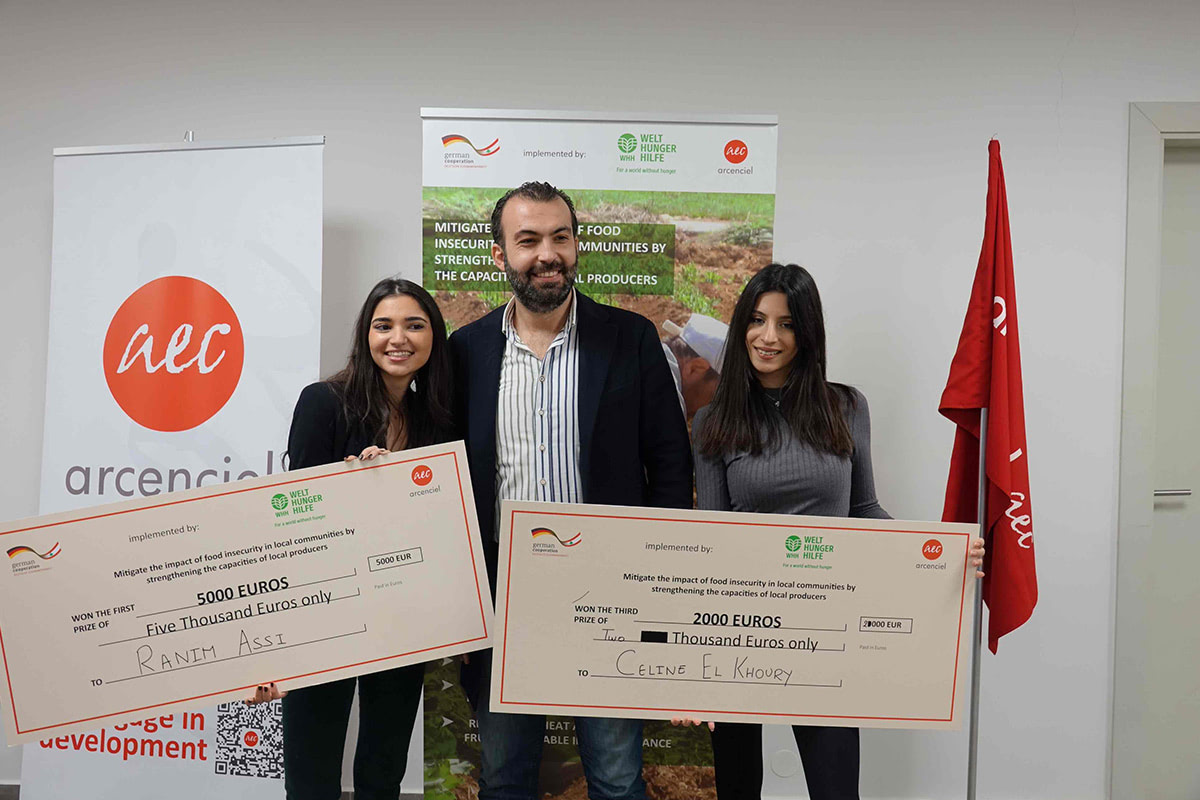
In a significant achievement, three proposals submitted by four students from the Nutrition program secured top positions in the “Mitigate the impact of food insecurity in local communities by strengthening the capacities of local producers” project, implemented by arcenciel, a Lebanese-based non-profit organization, and Welt Hunger Hilfe, a large private aid agency in Germany. The project was funded by the German Agency for International Cooperation, which has been supporting Lebanon’s economic and social development for more than 40 years.
Out of 33 submissions to arcenciel, graduate students in the Nutrition program Ranim Assi (BS ‘23) and Celine El Khoury (BS ‘23) secured first and third positions respectively, earning monetary prizes. Additionally, senior students Roa Echtay and Hanine El Hajj landed in the top 10 and received a certificate for their participation. The students were praised for their novel and creative approaches to identifying dependable solutions for food production issues.
Further to developing their projects with Associate Professor of Food Science and Technology Hussein F. Hassan, the participants received mentorship from arcenciel’s project team—agricultural, agro-food, food lab and business experts—for two months to help them present their proposals to the jury.
Highlighting the project’s commitment to addressing persistent challenges, Assi clinched first place with a proposal titled, “Valorization of apple loss by producing pectin out of it.” This initiative centered on maximizing the value of apple by-products, specifically the pulpy residue known as pomace, through the extraction of pectin to facilitate its value-added and sustainable uses. Doing so alleviates escalating environmental concerns, particularly in a country where villages are renowned for their apple orchards.
When asked about the inspiration behind her project, Assi noted that “a lot of apple pomace gets discarded in activities like making apple juice concentrates. This made me think that there has to be a way to put this waste to good use.”
“This isn’t just about tackling food waste;” she added, “it’s also about bringing forth nutritional health benefits. What really stood out for me through this journey is a deeper appreciation of sustainable practices and their meaningful impact on our wellbeing.”
Her peer El Khoury ranked third with her project, “Zero Waste Bite,” a smartphone application that tackles food waste by promoting better management of food supplies and minimizing the chances of items being overlooked and ultimately wasted.
“The economic crisis [in Lebanon] served as a backdrop, emphasizing the need for affordable options and sustainable practices to support individuals and businesses alike,” she said.
In her attempt to come up with a sustainable solution while also juggling the demands of a master’s program and internship at LAU Medical Center–Rizk Hospital, El Khoury was proud that “integrating theoretical foundations from my program with the practical application of this project has served as a vital link between academic knowledge and real-world problem-solving,” she said.
Echtay and El Hajj, who previously won the National Best Poster Competition on Food Waste Awareness, took their project a step further to highlight working women in their proposal, “Tackling oil leakage from Makdous jars.” Noting that the primary producers of Lebanese mouneh are women, Echtay and El Hajj sought to recognize their needs and carefully studied the issue to ensure the microbiological safety of the preserved food inside the jars, thus enhancing its shelf life and production value.
“Considering the systemic marginalization experienced by widowed women, we found it necessary to focus on addressing their economic and financial needs,” they noted in a joint comment. “This highlighted the importance of tackling the underlying social disparities and advocating for inclusive solutions in hopes of raising awareness and helping in instigating change.”
The students’ participation in the project underscores the emphasis of the Nutrition program on practical, community-centric approaches. In addition to earning certificates and monetary rewards, the winners “gain exposure that facilitates networking with influential decision-makers to make their projects come to life,” said Dr. Hassan. “This ultimately strengthens their professional networks and enhances their potential career prospects.”
“This is truly a remarkable achievement and a testament to the hard work and dedication of [our students],” remarked Interim Dean of the School of Arts and Sciences Haidar Harmanani. “Such initiatives showcase the creativity and practicality of our students in addressing real-world challenges.”
LAU Nutrition Students Win National Best Poster Competition on Food Waste Awareness
LAU Nutrition students took the lead in showcasing their dedication and innovative ideas on food waste.
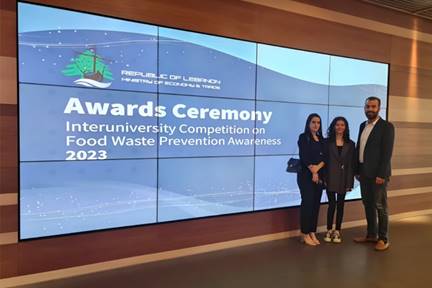
Against the backdrop of a worsening economic crisis and food insecurity, two LAU students, Roa Echtay and Hanin El Hajj, stepped forward to raise awareness about food waste by participating in the Ministry of Economy and Trade’s Interuniversity Competition on Food Waste Prevention Awareness 2023. At the end of it, they brought home an award for their winning poster which will be displayed on billboards across the country.
A total of 11 posters and videos from nine universities were submitted to the competition, which invited students to create a concise awareness design or video on this global concern with a focus on Lebanon.
In their active participation and success, Echtay and El Hajj represent the socially responsible individuals that the Nutrition and Dietetics Program at the Department of Natural Sciences seeks to nurture by equipping them with the necessary skills and dedication to positively impact patients and the community.
As third-year nutrition students, they have cultivated a deep understanding of the complex and intricate connections between food insecurity, safety and waste throughout their time at LAU. Along with active engagements in competitions and internships related to this issue, they have gained “practical insights on the prevalence of food waste in Lebanon,” they said, adding that “against the background of an exponentially dire problem, we were motivated to shed light on this topic in hopes of lessening it.”
The award also reflects LAU’s commitment to the UN Sustainable Development Goals (SDGs) by addressing critical societal issues in collaborative efforts within its community.
Building on the students’ theoretical understanding of food insecurity, safety and waste, as well as the complex interplay between them, Associate Professor of Food Science and Technology Hussein F. Hassan guided and supervised them throughout the project. Together, they explored the literature on food waste conducted in Lebanon and at LAU and managed to identify the effectiveness of triggering guilt to reduce food waste.
Through their research and readings, Echtay and El Hajj learned that a significant portion of food waste is generated by restaurants – Mediterranean ones in particular – due to the Lebanese culture of sharing an overfilled table as a symbol of generosity and hospitality. “This is evident of the larger underlying problem: There is an inequitable distribution of resources, leading to waste amongst those who can afford it and hunger amongst those who cannot,” they noted.
The duo managed to creatively capture the extent of food waste in the country in a poster illustrating one-third of a falafel dish, and highlight the need to address SDG12 Responsible Consumption and Production which, as Dr. Hassan explains, “specifically aims to halve global food waste by 2030.”
The poster also underscored the prevalence of hunger in Lebanon and urged viewers to “think about it,” in line with evoking a sense of guilt and responsibility in reducing food waste, he added.
“We hope that our poster will motivate change,” said Echtay and El Hajj. “The fact that food is wasted at a time of widespread poverty is indicative of a fundamental structural problem in the way resources are distributed in our country. We hope that our poster makes people aware of the inequity and motivates change to create a positive social impact.”
Following this success, LAU aims to include partnerships with hospitality services and organizations in its continuing efforts to combat food waste and promote awareness through events and educational campaigns, integrating food waste concepts into the curriculum and supporting research projects and initiatives related to food waste reduction.
Safe Food Saves Lives
LAU collaborates with USAID’s Farmer-to-Farmer program to provide food safety training for its students to increase their understanding of food preventive controls and expand their careers.
With the rising population and increased potential hazards in the food supply chain, our access to food is in dire need of surveillance and regulation. The manner in which foods are grown, harvested and processed puts them at a higher risk of contamination and carrying foodborne illnesses.
For this reason, ensuring the safety of the food supply by shifting the focus of regulation from response to prevention lies at the heart of the USAID-funded Farmer-to-Farmer (F2F) Preventive Controls Qualified Individual (PCQI) training – implemented by Land O’Lakes Venture37 – that was held at LAU.
Twenty-five students from multiple universities congregated at LAU to take part in the three-day intensive training organized by F2F to engage the youth and furnish their intellect with the information and opportunities required to contribute to the overall development of their communities.
Attended by food safety professionals and university professors, and delivered by Dr. Aliyar Cyrus Fouladkhah, associate professor in Microbial Food Safety and Epidemiology at Tennessee State University, Nashville, TN, the training aimed to “increase their understanding of food preventive controls which will enable them to perform better food inspections and improve their food safety and quality practices in the food facilities,” said Dr. Fouladkhah.
Overall, PCQI’s primary focus is monitoring the implementation of the food safety plan in food facilities, developing and validating preventive controls, monitoring the effectiveness of the said measures, as well as taking corrective actions if necessary. As a fundamental framework, this training sought to educate its participants on uplifting food safety in their country, outside of it, and in public health.
When asked about how this PCQI training will benefit students in their careers, Associate Professor of Food Science and Technology Hussein F. Hassan stated that it “will equip the participants with the needed skills that any food safety professional must have to support their company in exporting their products.”
Food safety in Lebanon has been at stake due to improper food storage caused by power shortages and an uncontrolled food supply as a result of a dysfunctional public sector. “To successfully develop, implement and maintain any food safety management system,” said Dr. Hassan, “highly educated and trained professionals are needed to create a food safety culture. According to studies, education and training are key to food safety.”
On completing the training, the participants received certificates funded by the Public Health Microbiology Foundation. Being PCQI-certified, said Dr. Hassan, will increase their chances to find jobs in the food service industry as well as improve their competence for a successful start to a career in the industry.
In view of that, students acquired a better understanding of the ethical considerations when developing and delivering food safety practices. “To me,” said Dr. Hassan, “if it is not safe, it is not food. Providing food supply is an ethical obligation that every food service professional must keep in mind.”
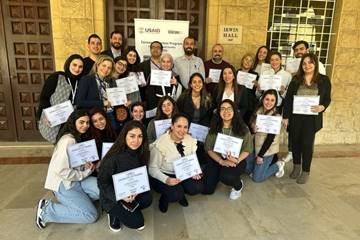 |
The certification, said Dr. Hassan, will increase trainees’ competence and job prospects in the food service industry. |
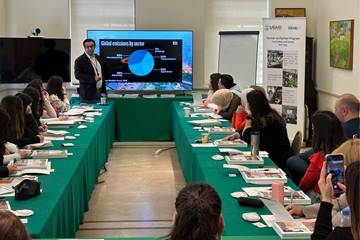 |
Dr. Fouladkhah engaged trainees in enhancing their understanding of preventive controls for food safety. |
Social Engagement
| The School of Arts and Sciences’ teaching and research are firmly entrenched in, and they decidedly serve the communities that surround us. Our campuses are hubs of intellectual activities, many of which are open to the public, while our outreach programs range from summer camps to volunteering and community outreach. It is our belief that universities have a duty to make a positive impact on their students as well as intervene constructively on the local, national and regional stages. |
 |
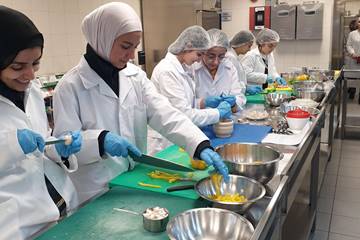
Nutrition students conduct a yearly food drive for the Lebanese Food Bank. In addition, through their food production course, they cook meals and donate them to this NGO as well.
Nutrition and Food Science Summer Camp
July 1–5, 2024 8:30 AM–2:00 PM
LAU Beirut Campus

The School of Arts and Sciences is organizing its annual summer camps during the month of July.
All summer camps will be open for registration to high school students who are still in grades 10 and 11. At the end of each summer camp, students will be assessed with regard to the content covered in the camps, and scholarships will be offered to the top five candidates in each camp, ranging between 10% to 30%.
This year’s Nutrition and Food Science Camp offers an immersive learning experience for students passionate about the field. Through interactive workshops and engaging lectures led by faculty members, participants will explore the role of nutrients in promoting health and will understand the principles of food processing and preservation. Overall, the camp fosters a stimulating environment for learning, collaboration and exploration, and empowers participants to pursue university degrees by applying to BS in Nutrition and Dietetics and BS in Nutrition and Dietetics Coordinated Program.
For inquiries, kindly reach out to:
- Hussein F. Hassan - hussein.hassan@lau.edu.lb
- Hanan Naccash - hnaccash@lau.edu.lb
For additional information, please visit: https://soas.lau.edu.lb/camps/
Register here or scan the QR code below
The Rewarding Experience of Summer Camps
The School of Arts and Sciences’ summer camps aimed to give high-school students a head start in their chosen field of study at LAU.
By Luther J. KansoJuly 19, 2024
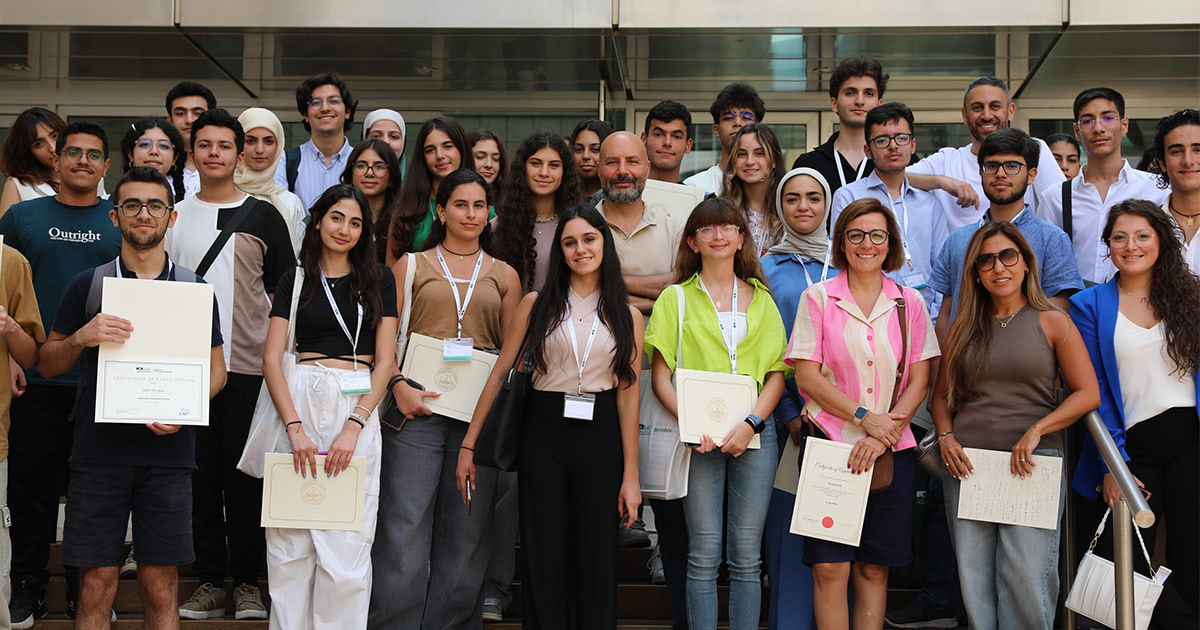 As the university prepares for a new academic year, the School of Arts and Sciences (SoAS) rolled out a series of interdisciplinary summer camps designed to offer students a university-level experience and prepare them for a potential education toward their chosen major at LAU.
The camps took place over the course of five days, from July 1 to 5, and were dispersed across different buildings on both the Beirut and Byblos campuses.
Attendance this year surpassed last year’s figures, with more than 100 Grades 10 and 11 participants from schools across Lebanon. Upon completion and assessment of the camp content and participation, students could earn scholarships covering up to 30 percent of their tuition.
This year, 21 students were rewarded for their performance and commitment with scholarships that corresponded to the specific camps they participated in.
In line with its commitment to social engagement and outreach, the school reintroduced three popular summer camps this year, mathematics, public speaking and creative writing, in addition to the chemistry and food science and nutrition camps that take place almost annually.
The structure of this year’s camps was put together by faculty members at the school with two goals in mind: to equip students with practical skills and knowledge that are directly relevant to their prospective careers, and to make the experience as profound as possible.
“I would go as far as to say that the summer camps of 2024 have been some of, if not the most organized camps we’ve had to date,” said Assistant Dean and Associate Professor Robin Taleb, who oversaw their planning. “Not only that, but the content they brought in terms of knowledge and learning was truly impressive.”
For instance, the chemistry camp, which took place on both campuses, offered hands-on laboratory experience where students got to work with advanced chemical instrumentation and conduct multiple experiments. This sort of engagement is crucial for careers in scientific research, medicine, pharmaceutical and industrial processes, noted Assistant Professor Elias Akoury.
By providing an understanding of the real-world applications of chemistry, students felt more prepared for the challenges of university-level science courses as well as scientific inquiry and industry practices.
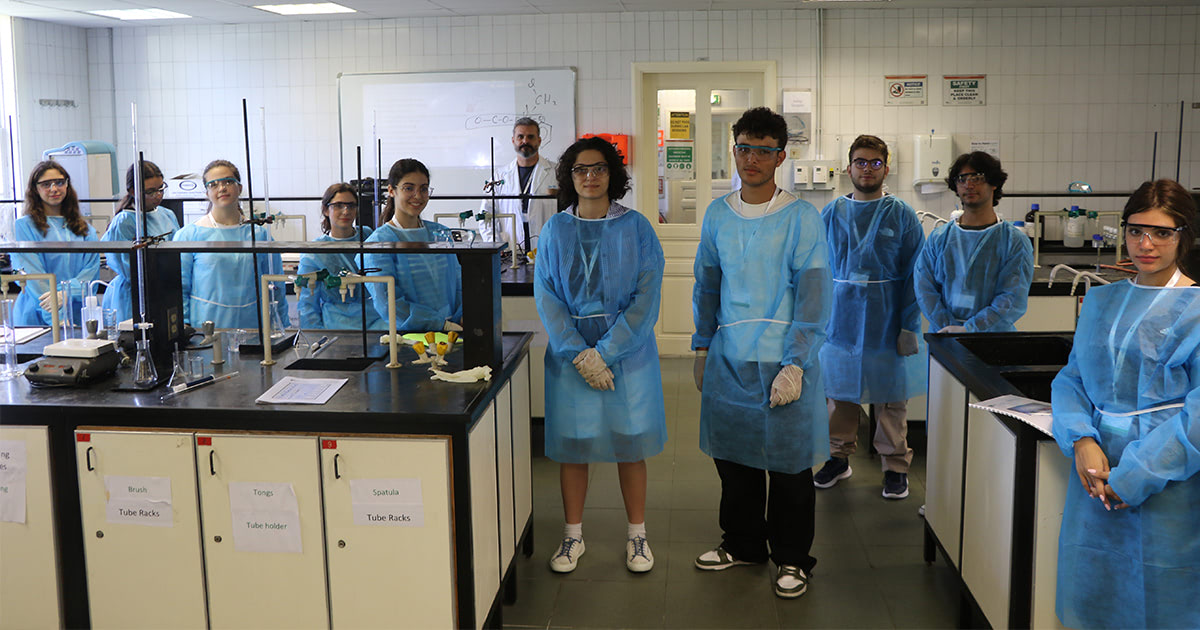
Similarly, the nutrition and food science camp in Beirut included workshops and informative lectures on the roles of nutrients and principles of food processing with emphasis on the UN Sustainable Development Goals (SDGs), thereby offering a comprehensive understanding of the field through evidence-based practices and critical thinking.
“The collaborative environment within the camp really prepared us for success in both academic and professional settings,” said high-school student Leen Moussa, who won a 30-percent scholarship for her active involvement in the camp. ”This knowledge is important for careers in dietetics, nutrition and the food industry.”
In the creative writing camp, students were encouraged to develop their literary skills and storytelling abilities by writing non-fiction and fiction pieces inspired by personal experiences, so that they may appreciate the iterative process of writing and build their confidence in articulating their ideas.
“These competencies are beneficial for both academic success and professional communication, and are crucial for careers in journalism, publishing and any field requiring strong communication abilities,” said Instructor Nayiri Baboudjian. “I was happy to see the students feel a sense of catharsis and safety in expressing themselves at our university and can only hope that they get to experience that daily when they enroll.”
Participants in the public speaking camp—which had the highest number of students—were trained in persuasive communication and effective presentation techniques for careers involving public interaction.
By mastering persuasive speaking and learning to manage stage fright, said senior instructors Hala Daouk and Dana Eido in a joint statement, students became more confident and articulate speakers. “These skills are highly needed in university settings, where presentations and group discussions are frequent, and in professional environments where effective communication is key to leadership and success,” they added.
Student Roy Anthony Mawad, who also won a 30-percent scholarship, particularly enjoyed speaking and connecting with people in an age mostly dominated by artificial intelligence where human interaction is minimal, he said. “Developing my soft skills both practically and theoretically has pushed me to go beyond what I thought I could do,” he added.
Over at the mathematics camp, the instructors introduced students to complex numbers and their applications and guided them through analytical theories and problem-solving skills.
In addition to these foundational skills for careers in engineering, finance, technology and quantitative analysis, “exploring advanced mathematical concepts and their practical applications helped develop the students’ understanding of the subject’s relevance to various fields in the industry,” said mathematics graduate Hedi Jaza (BS ’24), who helped give courses to the students alongside President of the Mathematics Club Mahabba El Sahili.
“We also wanted to make math entertaining,” El Sahili said, “and teach everyone how to approach the subject in ways that they wouldn’t otherwise learn at school.”
In a fitting end to a series of enriching educational experiences, the camps concluded with an awards ceremony at the Adnan Kassar School of Business, attended by the camp participants and faculty members.
Minor in Food Science & Management
Our program promotes active learning and develops your understanding of food science, in addition to management and marketing.
It will complement your knowledge in nutrition, food science and business. The courses will provide a foundation in the applied science of food science and business that incorporates elements of basic and nutritional sciences, food production and preparation, concept development, food safety, and franchise. This minor will meet the increasingly need for food experts.
What Will I Learn?
A Minor in Food Science and Management will help you:
- Recognize the knowledge underlying business, when it comes to food service industry;
- Discuss the interrelationships between food, business, nutrition and disease prevention;
- Identify reliable food, business and nutrition information;
- Implement the acquired knowledge and skills to successfully establish food establishments and to develop food safety systems;
- Integrate scientific principles in the prevention of food spoilage and poisoning.
Nourishing Minds and Bodies Within LAU’s Nutrition Program
Nutrition students at LAU experience hands-on learning to gain insight into breastfeeding and optimal health.As a means of fostering student-centered education, a workshop focusing on lactation was held for LAU nutrition and dietetics students on March 17, 2023. It aimed to provide students with practical insights into breastfeeding and its vital significance in promoting overall health in infants, children, mothers and families.
For these students, majoring in Nutrition and Dietetics as well as the Nutrition and Dietetics Coordinated Program (CP) gave them the opportunity to be exposed to and involved in educational and professional opportunities along the way. As such, this workshop came about as part of the Nutrition in the Life Cycle course offered in the program which is designed to bridge theoretical knowledge with real-world application.
In pursuit of tackling the Sustainable Development Goals (SDGs) – namely SDG 2 (Zero Hunger) and SDG 3 (Good Health and Well-Being) – participants got to take part in promoting sustainable nutrition practices by exploring ways to support breastfeeding mothers and emphasizing the nutritional value of breast milk, its role in building immunity and its positive impact on maternal and offspring health.
Under the tutelage of Nursing Program Director Bahia Abdallah, students gathered at LAU’s Clinical Simulation Center – a specialized medical training facility that caters to healthcare students and professionals across disciplines – where they engaged in hands-on activities and delved into the physical and emotional intricacies of breastfeeding and its impact on all genders.
Given the workshop’s benefit in enriching the program’s curriculum, the students were taken out of their role as mere spectators and pushed to become participants in a process that equips them with skills and knowledge beyond the academic realm.
“The beauty of this workshop being part of their overall education at LAU,” said Assistant Professor of Nutrition Rana Rizk, “lies in how it immerses our students in experiences that enrich their understanding, broaden their perspectives and equip them with skills that are relevant in the field of nutrition.”
The lactation workshop is just one facet of this holistic approach, acting as another shining example of how LAU nurtures well-rounded professionals to make effective contributions in their domains.
“As nutritionists and dietitians, part of their role is to promote, support and protect breastfeeding, among other things,” noted Dr. Abdallah. “The more they know about it, the more they can advance it and be advocates for mothers, families, and communities. It’s important to highlight the sub-specialties in nutrition because there’s so much more to it than meets the eye.”
The distinguishing factor of this workshop and others similar to it at LAU is the inclusion of experiential learning, added Dr. Rizk. “Offering empirical practice while studying for the profession itself easily opens up plenty of doors for our students. This way, they’ll go into their jobs having already acquired the skills needed for excellence.”
The hope at the end of the day, be it through workshops, programs or activities as reflected by both Dr. Abdallah and Dr. Rizk, is to pave the way for a future generation of experts poised to shape healthier, more informed communities worldwide.
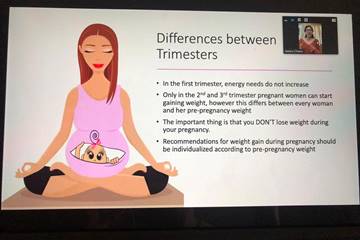
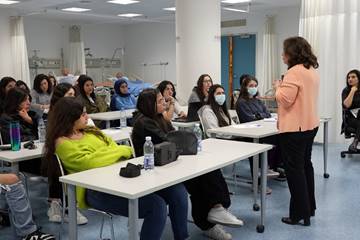 The workshop aimed to provide students with practical insights into breastfeeding and its vital significance in promoting overall health in infants, children, mothers and families. The workshop aimed to provide students with practical insights into breastfeeding and its vital significance in promoting overall health in infants, children, mothers and families. |
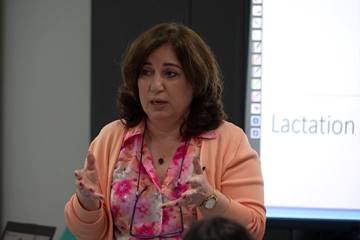 Under the tutelage of Dr. Bahia Abdallah, students engaged in hands-on activities and delved into the physical and emotional intricacies of breastfeeding and its impact on all genders. Under the tutelage of Dr. Bahia Abdallah, students engaged in hands-on activities and delved into the physical and emotional intricacies of breastfeeding and its impact on all genders. |
Sustainable Purchasing
LAU maintains a formal policy on ethical sourcing through its university-wide Procurement Procedure PP-001 (2024).
The policy requires that all procurement decisions prioritize sustainability, social responsibility, and ethical business practices when selecting suppliers, including for food and other supplies. It mandates transparency, fairness, and accountability, ensuring that vendors demonstrate compliance with ethical standards. This integrates sustainability considerations into all purchasing and supplier-management processes, reflecting LAU’s institutional commitment to responsible consumption and production.
This updated procedure is a joint effort between the Procurement Office and every entity or person at LAU that makes purchases, involving a commitment to always choose those products and services that have minimal environmental impact in all stages (manufacturing, transportation, use and disposal).
Other initiatives:
Food Security Is Not an Impossibility
Lebanon-specific research and panel discussion called for meaningful interventions that can mitigate food waste generation and its repercussions.
LAU Associate Professor of Food Science Hussein F. Hassan, LAU Associate Professor of Nutrition Lama Mattar, Professor of Food Science at the American University of Beirut (AUB) Mohamad G. Abiad, and Associate Professor of Applied Economics at AUB Ali Chalak had been actively researching and publishing at length about drivers of food waste generation and its impact on the environment, economy and food security, at both the household and hospitality levels in the country.
Most recently, they found that an estimated 1,620 tons of food are wasted by people dining out in Beirut alone every year– “an alarming rate, as Lebanon highly depends on food imports and has limited resources for increased food production to sustain food and nutrition security.”
This staggering figure also produces the equivalent of 4,110 tons of carbon dioxide and contributes to the country’s solid waste-management crisis, as food waste from restaurants alone in Beirut amounts to 0.15 percent of Lebanon’s total organic waste, yearly.
Their research findings and proposed solutions were presented at a panel discussion jointly organized by LAU and AUB on September 29, International Awareness Day for Food Loss and Waste. Titled Combatting Food Waste for Improved Food Security in Lebanon, the event brought together Director General of the Lebanese Ministry of Economy and Trade Mohamad Abou Haidar, International Specialist-Resource Efficiency and Sustainable Consumption and Production at UNEP Regional Office for West Asia Paolo Marengo, as well as Dr. Hassan and Dr. Abiad. The discussion was moderated by Dr. Mattar.