SDG 10: Reduced Inequalities
LAU demonstrates its commitment to Sustainable Development Goal 10 (SDG10), which aims to reduce inequalities within and among countries, through a variety of initiatives and policies designed to promote inclusivity and support marginalized groups.
Key reasons LAU adheres to SDG10:
- Inclusive Admission and Recruitment Policies:
- LAU actively recruits and provides support to students with disabilities, ensuring that they have equal access to academic opportunities and resources. This is in line with SDG10’s focus on reducing inequalities, particularly those related to disability access in education.
- Disability Support Services:
- LAU offers tailored accommodations for students with physical and mental disabilities, such as extended exam times, tutoring, assistive technologies, and library resources for visually impaired students. The university also provides peer support and mentorship programs for students with specific challenges, such as vision impairments. This ensures that all students, regardless of their abilities, can succeed academically.
- Collaborative Efforts:
- LAU’s Dean of Students Office (DOS) collaborates with various departments to implement accommodations, ensuring that students’ needs are met. Faculty are alerted and work closely with the DOS to provide necessary adjustments, showing the university’s commitment to creating an inclusive educational environment for everyone.
- Mental Health and Well-being:
- LAU provides counseling and mental health services to support students facing mental health challenges. This aligns with SDG10 by addressing disparities in mental health services and ensuring equal access to mental health support for all students, particularly those from underrepresented or marginalized groups.
- Career Services and Employment Opportunities:
- The university works with organizations to provide internships and employment programs specifically aimed at individuals with disabilities. This creates opportunities for students with disabilities to transition into the workforce, thus addressing employment inequalities.
- Campus Accessibility:
- Both LAU campuses are designed with accessibility in mind, including ramps, wheelchair-accessible restrooms, and clear pathways. The university ensures that its physical environment is inclusive, enabling all students, staff, and faculty to navigate the campus without barriers.
- Adherence to National Legislation:
- LAU complies with Lebanese Law 220/2000, which protects the rights of individuals with disabilities. This legislation mandates reasonable accommodations and accessibility in public spaces, aligning with the university’s efforts to reduce inequalities on campus.
Counseling Services
Counseling at LAU helps you power through your university years. Starting with the school-to-college transition and all its emotional baggage, to dealing with anxiety such as that associated with remote learning, university counselors equip you with essential tools to effectively manage current and future problems.
 Sessions are strictly confidential and free of charge for all students. They are typically scheduled once a week and may expand over several weeks depending on the objectives identified by the counselor.
When Should I Seek Help from a Counselor?
If you are experiencing one or more of the following concerns:
- Test anxiety
- Sleeping problems
- Low self-esteem
- Alcohol or drug abuse
- Concentration problems
- Decision making problems
- Dramatic mood swings
- Hopelessness or helplessness
- Exposure to sexual, physical, or emotional abuse
- Anxiety, fear, or anger that affects everyday life
- Eating disorders
- Suicidal thoughts
- Loneliness and/or homesickness
- Procrastination
- Relationship issues (family, friends, romantic)
- Loss of a family member or loved one
- Poor academic performance.
What Types of Counseling Services Are Offered at LAU?
- Short-term individual counseling
- General consultation
- Group counseling
- Academic skills guidance
- Career/vocational counseling
- Crisis interventions
- On/Off campus referrals
If the counselors believe that the student’s concerns are beyond the scope of the services provided at LAU, they will provide the student with a list of off-campus professionals (i.e., psychotherapists and/or psychiatrists) from which to choose.
How will a Counselor at LAU Help Me?
Counseling at LAU offers you the chance to:
- Disclose and discuss sensitive issues in a safe environment
- Confide in someone who can be trusted for their open-mindedness and professional help
- Receive support and aid in overcoming distress
While knowing that all the information discussed during counseling sessions:
- Will not go on your official record, nor on your transcripts
- Are strictly confidential – unless the counselor identifies that there is potential for self-harm, or harm to others.
Tips During these Challenging Time
Surviving and Thriving in War Time
In Response to the Recent Unrest

Mindfulness Benefits

Counseling in a nutshell (video)

For a smooth transition to university

Dealing with anxiety and online learning

Dealing with Beirut explosion aftermath

Learning Challenges and Support (video)
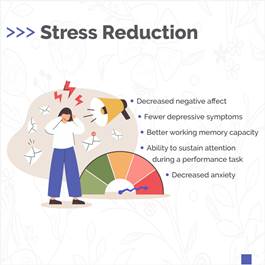
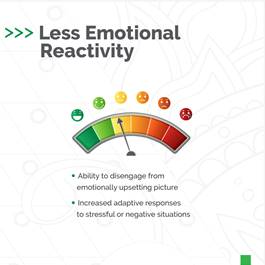
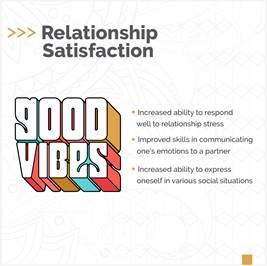
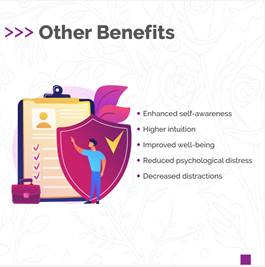
Mindfulness Benefits

Dealing with Anxiety
Coping with Anxiety
- Challenge your negative thoughts
- Are you worrying about the future?
- How likely is this particular situation to happen?
- What is the evidence that this situation would happen?
- Are you comparing yourself to others?
Review the stressful circumstances in your life
- Say “no” to things you do not want to do
- Give up unnecessary, time-consuming activities and responsibilities
- Use an organized and realistic plan of action to tackle projects
- Ask for information or feedback if helpful
Why Students Don’t Seek Services
- For some students, stigma remains the most significant barrier to seeking treatment
- For other students, the fear of accepting they are struggling means they cannot lead a productive life
- Students also might not seek help because of concerns over confidentiality
Finding Help
- For students struggling with anxiety, the best place to start is the on-campus counseling services where counselors can help you understand and deal with your anxiety. This kind of problem is widespread among students”
- Don’t let yourself make any excuses to miss the appointment. Be sure you set up the next appointment at the end of each session, don’t just wait to schedule it “when I have time.
LAU Counseling Services
Counseling at LAU helps you power through your university years. Starting with the school-to-college transition and all its emotional baggage, to dealing with anxiety such as that associated with remote learning, university counselors equip you with essential tools to effectively manage current and future problems.

Writing Center
Welcome to the LAU Writing Center!
We are pleased you are visiting our website and we hope you find the information helpful.
We provide writing support for LAU undergraduate and graduate students, faculty, staff and the external community. We will work with you through the stages of writing and advise you on issues such as structure, clarity and grammar, in a flexible and friendly environment. We also provide several tutoring services including one-on-one, either in person or virtually, group tutoring and library walk-ins.
Bring your assigned papers and reports, projects, grant proposals, dissertation chapters, unfinished articles and conference papers, and our professional and peer tutors will help you at any stage of the writing process to produce a polished final draft.
We hope to see you at the Writing Center soon!
LAU students, faculty and staff:
We’d love to assist! You can schedule your individual free writing appointments through the WCOnline platform.
Non-LAU members:
We provide various paid consultancy services. Click on the “Book a Meeting via Email” button to schedule an appointment to assess your needs, we will then provide you with a work plan.
Engaging LAU Faculty & Staff as Associates in the Mental Health Support System
University students often experience high levels of stress. Any number of potential events- leaving home and moving into the dormitory, academic failure, the loss of loved one, job termination of close relatives, and so on- may require students to make adjustments in the patterns of their daily living. Not all life transitions are negative, but even positive events, when accompanied by significant changes and demands, have the potential to be distressing.
Many students weather the “stormy periods” of their lives without professional assistance; others may find that the distress of being a student provides an occasion to consult a mental health professional. Thus, every year, the University Counseling Office sees students seeking help with different concerns such as depression, anxiety, relationship problems, family issues, academic difficulties, just to name a few.
You, Faculty and Staff, play an important role in detecting and helping distressed students. However, identifying and responding to students in distress is not an easy job; it can be confusing and overwhelming. Hence, the University Counseling Office has prepared this guide that sheds some lights on the different signs and symptoms of distress; its purpose is to guide you in handling a problem until a referral to the counseling office can be arranged. If you wish to consult with professionals or believe that a student should do so, we welcome the opportunity to help.
We appreciate the role you play as associates in the Mental Health Support System at LAU, and hope that this guide will be useful to you in your efforts.
Sources of Trouble/Distress
- Family problems
- Grief and loss
- Depression
- Anxiety
- Loneliness
- Relationship problems/break-ups
- Low self-esteem
- Financial problems
- Academic pressure or failure
- Conflict with classmates/Professors
- Difficulty adjusting to university life
- Trouble adjusting to different culture
- Career indecision
- Athletes (pressure/ expectations)
- Eating disorders
- Drug/alcohol abuse
- Sexual or physical abuse or assault
- Identity/sexual confusion
Office of Community Standards
LAU is committed to building a campus culture where everyone feels valued, respected, and supported. The Office of Community Standards works to ensure that all members of the LAU community such as students, staff, faculty and visitors. can learn and work in an environment free from discrimination, harassment, sexual misconduct and other forms of harmful behavior.
Our goals are to:
- Promote respect and inclusion across all areas of university life.
- Foster a strong sense of belonging so every student, staff, and faculty member feels they have a place and a voice at LAU.
- Ensure safety and well-being through education, prevention, and equitable response to concerns.
- Empower our community with the knowledge, tools, and resources to uphold our shared values of integrity, compassion, and accountability.
- Together, we create a campus where respect and responsibility guide how we learn, work, and engage with one another.
Responsibilities:
- Receive and respond to complaints of discrimination, harassment and sexual misconduct.
- Oversee investigations and resolution processes that are fair, prompt and impartial.
- Provide confidential consultation, training and prevention programs.
- Collaborate with faculty, staff and students to build a culture of respect and accountability
Admissions Policy
LAU shall admit qualified students regardless of their nationality, race, gender, or religious affiliation. However, in cognizance with its original purpose and historical background, LAU has a commitment to promote higher education for women.
A. Recruitment:
Students shall be recruited primarily from Lebanon and other Middle Eastern Countries to meet the total number desired, as reflected in the Strategic Enrollment Plan approved by the Board of Trustees.
Recruitment shall aim to meet the enrollment objectives of the different divisions and schools. Recruitment strategies should be developed to identify prospective students for the promotion of new programs, whenever needed.
B. Students’ Distribution:
The relative distribution of students in all programs and majors should be reviewed periodically in order to maintain the proper academic standards set by the University.
C. Criteria for Admission:
Students shall be admitted in accordance with the applicable rules and regulations of the countries of which they are citizens, provided it is in accordance with inter-governmental agreements applicable in Lebanon.
Specific entrance requirements for the different programs shall be set by the Faculty, through the proper Councils of the University, upon the recommendations of the different schools.
D. Fee and Deposits:
An application fee shall be charged to applicants to cover, partially, the expense of evaluating their records for possible admission to the University.
Upon acceptance, all students have to pay a fee to reserve classroom space. An additional fee is required from students wishing to reserve dormitory space. Such advance payments are not refundable.
All fees are stipulated in the “University List of Fees” approved by the Administration on an annual basis.
The dates on which such payments are made shall establish the student’s priority in the registration for courses, and class sections, and in the assignment of dormitory space, provided it abides by the University schedule for registration.
LAU systematically measures and tracks women’s application and admissions rates. This data is regularly collected and analyzed to identify trends and inform strategies to promote gender equality in higher education.
Admissions by Gender - Fall 2023
| Level | Received | Accepted | Enrolled | Acceptance Rate | Yield Rate | |||||
|---|---|---|---|---|---|---|---|---|---|---|
| Female | Male | Female | Male | Female | Male | Female | Male | Female | Male | |
| Undergraduate | 3,952 | 3,229 | 2,560 | 2,143 | 1,104 | 1,016 | 64.8% | 66.4% | 43.1% | 47.4% |
| Graduate | 517 | 341 | 259 | 204 | 162 | 134 | 50.1% | 59.8% | 62.5% | 65.7% |
| Doctoral - Professional Practice | 151 | 103 | 99 | 62 | 59 | 33 | 65.6% | 60.2% | 59.6% | 53.2% |
| Total | 4,620 | 3,673 | 2,918 | 2,409 | 1,325 | 1,183 | 63.2% | 65.6% | 45.4% | 49.1% |
Mission, Values and Vision
LAU Mission
LAU Values
In both planning for its future as well as conducting its ongoing daily activities, LAU seeks to act in a manner that is guided by a deep-rooted sense of shared ethical values and aspirations. Built upon this foundation, Lebanese American University:
- Draws its fundamental inspiration from the devotion of its Presbyterian Founders to always seek the Truth, respect human dignity, promote gender equality, and be inclusive;
- Provides educational opportunities as one university with multiple campuses, each with distinctive gifts and attributes;
- Commits to academic and service excellence throughout the institution;
- Demonstrates dignity and respect for and from the Board, faculty, staff and students in word and in deed;
- Celebrates the accomplishments and contributions of all members of the LAU community;
- Succeeds because its people take pride of ownership and are held accountable for their actions;
- Works together as an extended family community that reflects the highest ethical and moral standards;
- Enables individuals to find their own spiritual and personal fulfillment while ever sensitive to the changing global village in which they live;
- Promotes social connectedness of the students to the country of Lebanon; and encourages their commitment to social justice and democracy.
LAU Vision
The Vision of Lebanese American University is driven by its mission and values. The Vision for LAU will be carried out through:
- Providing access to a superior education for diverse undergraduate and graduate students and lifelong learners;
- Attracting and retaining distinguished faculty who excel in teaching, research and community service;
- Enrolling and retaining academically qualified and diverse students;
- Embracing liberal arts in all curricula;
- Creating opportunities for rigorous research and the dissemination of knowledge;
- Developing a close-knit community that excels academically, is intellectually stimulating, and is religiously, ethnically and socio-economically diverse;
- Attracting and retaining a highly qualified staff committed to excellence in service;
- Fostering collaboration across the university in teaching, learning, research and service;
- Providing state-of-the-art infrastructure and support services that enrich the student, faculty and staff experience;
- Developing world citizens with a deep sense of civic engagement;
- Promoting the values of peace, democracy, and justice.
Discrimination, Harassment and Sexual Misconduct Prevention Policy
The Lebanese American University and all its affiliates (collectively “LAU”) is committed to pursuing excellence in its academic and professional endeavors, as well as believing in the intrinsic value of all individuals. LAU fosters an atmosphere of mutual respect among all members of its community, where each individual is judged solely on criteria related to academic or job performance. LAU is committed to the elimination of all forms of discrimination, harassment and sexual misconduct on its campuses or on any other University controlled area or event. Fundamental to LAU’s mission is the preservation and encouragement of academic freedom. Promulgating this Policy should by no means be construed as inhibiting free speech, freedom of association, or the free communication of ideas
POLICY STATEMENT
LAU has a zero tolerance rule for acts of discrimination, harassment, and sexual misconduct. LAU is an equal opportunity employer and does not permit discrimination due to race, color, religion, creed, gender, marital status, national origin, disability, age, sexual orientation, political affiliation, pregnancy, or belief. LAU is committed to a working and learning environment where people can achieve their full potential.
This Policy:
- Supports an environment where it is clear that discrimination, harassment, and sexual misconduct are unacceptable, thereby reducing the chance that discrimination, harassment, and sexual misconduct will occur in the first instance;
- Applies to all LAU staff, faculty, and students in connection with their roles, duties, and responsibilities at LAU whether as an employee or a member of the student body;
- Ensures that all visitors, including but not limited to individuals such as suppliers, service providers and guest speakers are held to LAU’s highest standards of behavior and will be held responsible for any act of discrimination, harassment, and sexual misconduct against a member or members of the LAU community;
- Provides procedures to notify LAU of potential discrimination, harassment, and sexual misconduct so that LAU may take appropriate action to investigate and address any such prohibited actions; and
- Prohibits retaliation against persons notifying LAU of such prohibited actions. Disciplinary action may be taken to deal with actions or behavior, intentional or unintentional, which results in a violation of this policy. In general, the procedures for review of complaints and discipline for a violation of this policy are addressed in this policy and other LAU policies relating to employee and student conduct. LAU may publish additional procedures in compliance with relevant laws and regulations.
CONDUCT SUBJECT TO THIS POLICY DISCRIMINATION
Discrimination
Discrimination is treatment of a person less favorably than other persons based on age, race, color, religion, creed, gender (including pregnancy), sexual orientation, marital status, nationality, disability, political affiliation or any other basis protected by applicable law.
HARASSMENT
Harassment is the making of any unwelcome advances or requests for favors or other conduct when (i) submission to such conduct is made either explicitly or implicitly a term or condition of an individual’s employment, a student’s performance, or participation in any campus activity; (ii) submission to or rejection of such conduct by an individual is used as the basis for decisions related to employment, academic performance, or student activities; or (iii) such conduct has the purpose or effect of substantially or unreasonably interfering with an individual’s work, academic performance, or participation in student life by creating an intimidating, hostile, or offensive work or campus environment. Harassment may take physical, verbal, visual , or online forms. Harassment also includes behavior that demeans, humiliates, or embarrasses a person based on race, national or ethnic origin, color, religion, age, gender, marital status, family status, disability, or sexual orientation, and that a reasonable person should have known would be unwelcome. It includes actions such as touching and pushing, comments such as jokes and name-calling, displays such as posters and cartoons and disrespectful behavior commonly known as ‘personal’ harassment, such as making fun of personal circumstances or appearance, bullying (includes unmerited criticism, isolation, gossip, physical violence or violent gestures, public humiliation, or behavior that is intimidating or demeaning), and stalking.
SEXUAL MISCONDUCT
Sexual misconduct is any form of Sexual Assault connected with forced sexual contact, including but not limited to rape. Force can be physical or emotional (there are four types of force: physical, threat, intimidation, coercion). Sexual Assault consists of Sexual Contact and/or Sexual Intercourse that occurs without Affirmative Consent. Sexual Contact is any intentional sexual touching, however slight with any object or body part performed by a person upon another person. Sexual Intercourse is any penetration, however slight with any object or body part performed by a person upon another person and is considered Rape if the action is taken without the affirmative consent of the other individual(s). Affirmative Consent must be informed (knowing), voluntary (freely given), and active (not passive), meaning that, through the demonstration of clear words or actions, a person has indicated permission to engage in mutually agreed-upon sexual activity (contact or intercourse). Affirmative Consent cannot be gained by taking advantage of the incapacitation of another individual, where the person initiating sexual activity knew or reasonably should have known that the other was incapacitated. Incapacitation means that a person lacks the ability to make informed, rational judgments about whether or not to engage in sexual activity
Affirmative Consent cannot be obtained by force. Force includes (a) the use of physical violence, (b) threats, (c) intimidation, and/or (d) coercion. Physical violence means that a person is exerting control over another person through the use of physical force. Examples of physical violence include hitting, punching, slapping, kicking, restraining, choking, and brandishing or using any weapon. Threats are words or actions that would compel a reasonable person to engage in unwanted activity. Examples include threats to harm a person physically, to reveal private information to harm a person’s reputation, or to cause a person academic or economic harm. Intimidation is an implied threat that menaces or causes reasonable fear in another individual, including the stalking of another individual. Coercion is the use of an unreasonable amount of pressure to gain access to something or someone. Coercion is more than an effort to convince, lure, or attract another person to have sex. When an individual is clear that they do not want to participate in a particular form of Sexual Contact or Sexual Intercourse, that they want to stop, or that they do not want to go beyond a certain sexual interaction, continued pressure can be coercive. Factors that may indicate coercion include the frequency, intensity and duration of the application of the pressure and the degree of isolation of the person being pressured.
RETALIATION
LAU prohibits retaliation against any individual because he or she in good faith reports alleged incidents of discrimination, harassment or sexual misconduct, pursues a discrimination, harassment or sexual misconduct claim, or cooperates or participates in an investigation of such reports. Discipline, reprisal, intimidation, or other forms of retaliation in such situations is a serious violation of this policy and may result in disciplinary action, up to and including termination of employment or expulsion from the university.
RESPONSIBILITIES
1. All staff, faculty and students:
- Must attend education programs provided by LAU relating to discrimination, harassment, and sexual misconduct.
- Can prevent discrimination, harassment, and sexual misconduct by being sensitive to the reactions and needs of others, and ensuring that their conduct does not cause offence;
- Can discourage discrimination, harassment, and sexual misconduct by others through making it clear that such conduct is unacceptable.
2. LAU is responsible for:
- Providing an environment where it is clear that discrimination, harassment, and sexual misconduct are not acceptable;
- Taking action when it has clear notice that discrimination, harassment, or sexual misconduct has taken or is taking place to stop the conduct, prevent its recurrence, and remedy its effects.
- Ensuring that deans and chairpersons, vice presidents, and directors are aware of their responsibilities under this policy, including trying to prevent or to report violations of this policy.
PROCEDURES AND RESOLUTION OF COMPLAINTS
The Office of Community Standards (OCS) [formerly the Title IX Office] receives all complaints regarding discrimination, harassment, and sexual misconduct pursuant to the Policy. The OCS supports LAU’s mission by fostering a community grounded in integrity, responsibility, and mutual respect and the resolution of conduct and discrimination-related matters under this Policy.
The following steps should be taken when submitting a complaint to the OCS:
LAU will promptly investigate all complaints. Thereafter, upon the President’s request, the OCS Director will manage all complaints that warrant investigation. The President can consider engaging other university units as necessary and in keeping with this Policy. If the OCS Director determines that the complaint is credible, he/she shall notify the Office of the General Counsel and will work closely with it during the consideration and investigation of the complaint. Furthermore, the Office of the General Counsel provides advice and direction on the legal aspects of -related investigations under this Policy and potential prosecutions. The Office of the General Counsel will conduct investigations involving an employee or employees of the OCS.
If LAU determines that the claim is substantiated, LAU will institute disciplinary proceedings against the offending party, which may result in a range of sanctions up to and including termination of university employment or expulsion.
If LAU determines that the complaint was unsubstantiated, the University will take no corrective action.
The formal University decision shall be communicated to all involved parties as approved by the President. Appeals by either party may be initiated as per the applicable LAU policies.
REPORTING ACTS OF DISCRIMINATION, HARASSMENT OR SEXUAL MISCONDUCT
The following steps should be taken when filing a complaint:
When a student, a staff member, or a faculty member faces any form of harassment, s/he should notify (orally or in writing) the Office of Community Standards at CommunityStandards@lau.edu.lb or by phone at +961 1 786 456, ext. 1303 for the Beirut Campus or +961 9 547 254, ext. 1303 for the Byblos Campus.
Anonymous Reporting: Anyone can make an anonymous report of conduct prohibited under this Policy by contacting the Compliance Hotline at 01.786.456 ext. 4444 or use the Anonymous Reporting Tool.
In case of a health or safety emergency, students, staff and faculty should contact +961 1 786 456, ext. 1500 on the Beirut campus or +961 9 547 262, ext. 2500 on the Byblos campus to address the emergency and reports under this policy should be made later.
TRAINING AND EDUCATION
Leadership, education, training, awareness, and intervention are essential in preventing and eliminating acts of discrimination, harassment, and sexual misconduct. It is the responsibility of every member of the LAU community to attend the training and awareness sessions required by LAU.
Effective Date
Effective Date The foregoing Discrimination, Harassment and Sexual Misconduct Prevention Policy of the Lebanese American University was amended by the Board of Trustees on October 2, 2025 and is effective as of October 2, 2025. This Policy was originally effective as of June 7, 2003, and was previously amended on March 9 & 10, 2006; March 15 & 16, 2013; September 7 & 8, 2017 and September 6, 2019.
LEBANESE AMERICAN UNIVERSITY STUDENT CODE OF CONDUCT
The Arab Institute for Women (AiW)
The Arab Institute for Women (AiW), previously known as the Institute for Women’s Studies in the Arab World (IWSAW), was established in 1973, building upon the Lebanese American University’s rich history as a school for women. At that time, it was the first such institute in the Arab world and it remains the only one of its kind in Lebanon. It is also among the first globally. The Institute advances women’s empowerment and gender equality nationally, regionally and globally through research, education, development programs, and outreach. AiW works at the intersection of academia and activism.
In the Arab region and globally, AiW serves as:
- A Bridge: representing women and gender issues in the region and bringing the issues we care about into international dialogues, ensuring that our perspectives are represented.
- A Hub: sharing knowledge on and by Arab women with the world and supporting the creation of new knowledge from/for the region. AiW also connects people and partners to Arab women and gender issues in the region by channeling funding and support to our work and by using our vast network.
- A Voice: amplifying Arab voices in global discourses on gender and promoting gender equality and human rights in the Arab region.
Career Guidance and Academic Advising
Career Development Plan
Start early and sharpen your skills before graduation and boost your employability!
Consider your Choice of Major
- Take the Strong Interest Inventory to identify your interests and the relevant majors, especially if you are unsure about your choice or unhappy with your current major
Secure Academic Advancement
- Keep your GPA as high as possible to increase your chances in earning scholarships and getting into a strong graduate program
- Attend Time Management and Study Skills workshops
- Visit the International Services and Programs Office to learn about exchange and study abroad programs
Explore Career Possibilities
- Enroll in diverse courses to explore different areas that interest you
- Consider internship and part-time job opportunities
- Attend panel discussions, recruitment presentations, career events, etc.
Engage in Self-Development
- Join clubs and take part in the fun and engaging extra-curricular activities on campus
- Volunteer in civic, and leadership activities to strengthen your CV, sharpen your skills, and stand out in the job market
- Attend soft skills and professional development workshops (i.e. CV writing, job search strategies, interview preparation, LinkedIn, etc.)
Get ready for the job market
- Draft your first professional CV and keep it updated with the help of the Career Development Services staff
- Join LinkedIn and other professional social media platforms
- Build a professional network with your professors, advisors, peers, and staff
Connect with your Career
- Take part in the Alumni Mentoring Program to get tips from industry experts
- Check the LAU International Career Portal to view and apply to available internship and job opportunities
- Attend career fairs
- Secure at least one internship before you graduate. Interns are often hired by the same company if they prove themselves
Before you graduate
- Refine your professional resume and develop an “elevator pitch”
- Write cover letters that you can use when applying for internships and jobs.
- Identify your most-desired employers and research employment opportunities.
- Attend the International Education Week to explore graduate-study opportunities.
- Connect with the Alumni Relations Office and join the alumni chapters.
Academic Advising: Your Personal Roadmap
Clarity about your next steps reduces stress: Our academic advisors empower you to develop a course plan consistent with your individual interests and abilities. Along with your faculty advisors, the academic advisors will provide you with all the academic support you may need. Through these services, you will:
- Get all the help to understand your degree evaluation, rules, and other academic matters to make the right academic and career decisions.
- Benefit from one-on-one advising sessions and learn about the available resources for you, such as CAPP, Portal, Banner, Starfish, etc.
- Know the steps and requirements for graduation.
- Overcome any academic difficulty by getting personalized advising meetings.
- LAU students can schedule the academic advising appointments through Starfish on Portal. Through Starfish, you will:
- Connect with your faculty and the staff from various departments.
- Schedule appointments online wit your academic advisor or faculty advisor.
- Receive a notification if you are academically at risk.
- Save meetings notes in your records for future reference.
- The academic advisors also support students who need to overcome any academic challenges through the Academic Success Center.
Academic Success Center
Free of charge academic tutoring services are available if you need assistance or you are facing difficulties in certain courses. There is no limit to the sessions you can attend. Tutors are academically excelling students from various majors and they are appointed by their respective departments.
Objectives of the Tutoring Services
- Provide tutoring services for students who are academically challenged to effectively improve their performance.
- Assist students to better understand challenging topics or course material.
- Give student tutors the opportunity to reinforce their knowledge and improve their teaching and communication skills by sharing what they have learned.
- If you are a current student, please check the sessions offered on Portal.
Disabled Access (ADA)
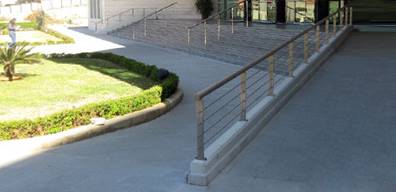
LAU follows international standards from the earliest design stage of new projects in order to guarantee buildings and grounds accessibility, offering an equal learning opportunity for physically challenged people.Campus Accessibility Plans
Facilities Management provides accessibility plans that give students, faculty and staff a clear idea of the location of accessible buildings and grounds on both campuses Beirut Campus (PDF - 6MB) and Byblos Campus (PDF - 4MB). The accessibility plans are also used for ease of identification of elevators, external elevators and ADA toilets.
 |
 |
 |
 |
 |
 |
Building an accessible campus
LAU creates a culture of respect for students with physical or learning disabilities.When it comes to choosing where to go to university, there are many things students have to consider: is it the right course, what dorms to live in, is financial aid available? But for many young scholars, the most decisive factor will be whether a university is disabilities-friendly.
In Lebanon, where the rights of the disabled are routinely snubbed, LAU is striving to attract a diverse student body by making its campuses accessible and providing additional support for students with disabilities. It has seen a growing number of enrolled students with special needs. “By working to create an accessible learning environment, LAU aspires to promote a culture of respect for students with special needs and provide a university experience where those students are not unfairly disadvantaged,” says Dr. Mars Semaan, dean of students at LAU Byblos.
That’s admittedly no easy feat in a country where hospitals, schools, public transportation and employers regularly deny equal opportunities or access to those with disabilities. This is in spite of Law 220, issued in 2000, which grants people with physical disabilities equal rights and access to public places.
At LAU, most campus facilities are being or have already been upgraded for equal accessibility, “with Facilities Management incorporating ADA requirements in all renovation or new building work,” says Georges Hamouche, assistant vice president for Facilities Management, referring to the 1990 Americans with Disabilities Act (ADA), which prohibits discrimination against the disabled.
“When I was first accepted, I met with LAU administrators to discuss accessibility issues,” said Anthony Nahoul, a computer science major who uses a wheelchair. “LAU has built some facilities, such as ramps and lifts,” to buildings that were constructed before the ADA regulations came into force and grants extra exam time where deemed necessary. “I also have a parking spot of my choice. Some buildings aren’t accessible yet but LAU is working to ensure all facilities can be used by its entire student population.”
But according to Dr. Norma Mousally, clinical psychologist and senior counselor at the Beirut campus, addressing the rights of disabled students on campus does not only mean addressing accessibility or complying with ADA standards. It’s also about breaking through taboos, particularly towards disabilities invisible to the eye, such as ADHD (Attention Deficit Hyperactivity Disorder), learning disabilities or mental health illnesses.
“There has been a lot of progress in recent years but because taboos remain, many students don’t even want to tell their professors they have a learning disability,” she says. She urges students with suspected or diagnosed disabilities to visit her office in the Wadad Said Khoury Student Center to better determine how LAU can help.
“LAU has always been student-centered and so instructors are generally very understanding and cooperative about the needs of students with disabilities,” says Dr. Ahmad Oueini, associate professor at the Department of Education.
Disabled Access (ADA)
LAU follows international standards from the earliest design stage of new projects in order to guarantee buildings and grounds accessibility, offering an equal learning opportunity for physically challenged people.
Campus Accessibility Plans
Facilities Management provides accessibility plans that give students, faculty and staff a clear idea of the location of accessible buildings and grounds on both campuses Beirut Campus (PDF - 6MB) and Byblos Campus (PDF - 4MB). The accessibility plans are also used for ease of identification of elevators, external elevators and ADA toilets.
Health and Wellbeing
Your academic achievement is important, but it is not separate from your social, physical, and emotional wellbeing.
LAU Health Clinics: Prevention and Care
The first step to staying healthy is knowledge. That’s why awareness campaigns are carried out every year and handy information is always available to students.
In case of emergency, a registered nurse is always available on each campus. The nurse can provide first aid and advise on next steps. Learn more
All students at LAU are insured for medical emergencies and hospitalization. Insurance fees are paid once a year along with the tuition fees. Those who already have insurance are exempted from some of these fees. View details
Counseling: Obstacles Begone!
Making the transition from high school to university can be stressful. At LAU you’ll find experts dedicated to helping students manage difficulties such as social or emotional issues. Students can seek help at any time during regular university hours. This is a service offered by the LAU Dean of Students’ Offices to all enrolled students. Consultations are confidential, free of charge and include: Short-term individual counseling and psychotherapy Crisis and emergency interventions Referrals to off-campus professionals Academic skills tutoring Career counseling.
Secure Campuses: Peace of Mind
We keep our campuses safe and secure so that our students have peace of mind. Campus security guards are stationed at our gates 24/7. There are cameras monitoring activity in key spots, including circulation areas at the dorms (halls, entrances). Weapons, alcohol, and drugs are prohibited on campus.